
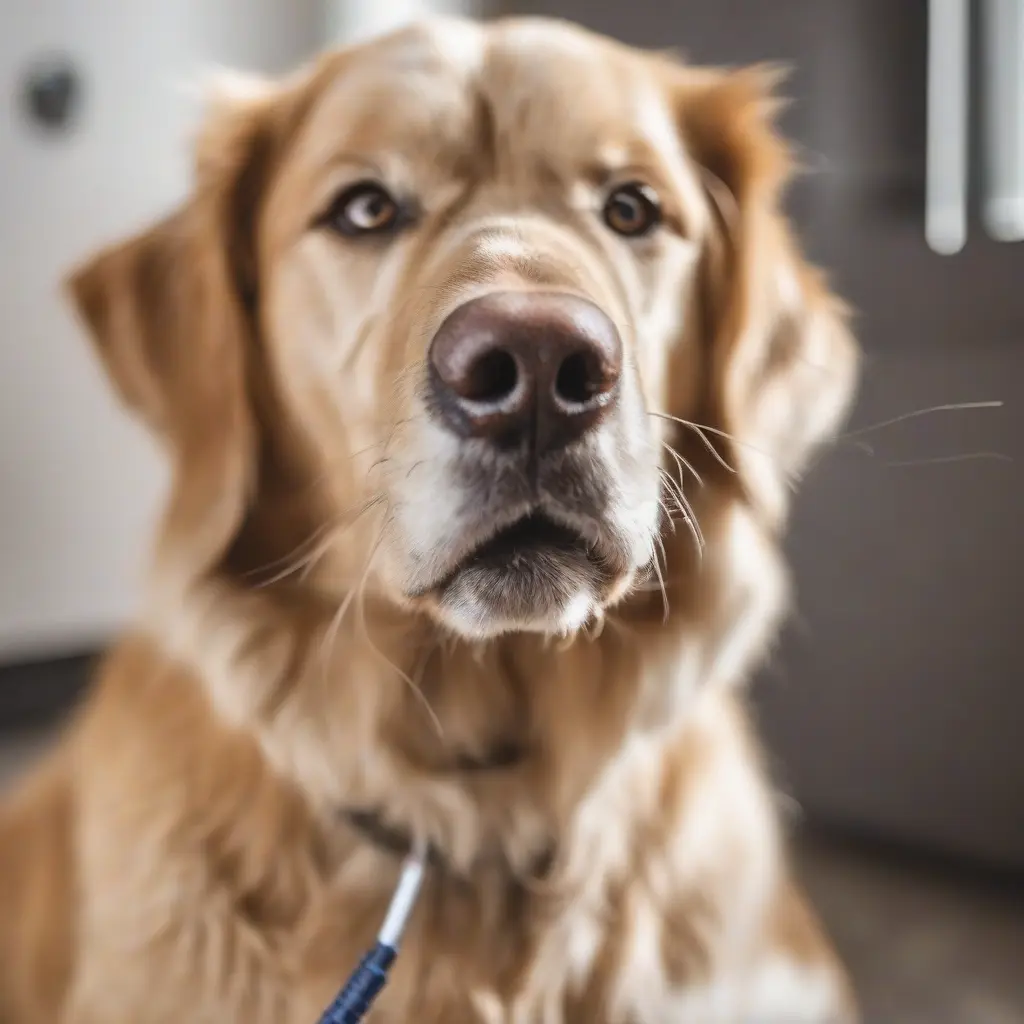
Ensuring your pet stays well-hydrated is crucial for their overall health and well-being. While most pet owners may know the importance of providing water, understanding the specific hydration needs of their furry companions is essential. Factors such as age, weight, activity level, and climate all play significant roles in determining how much water a pet requires daily. This article delves deep into these factors and offers practical tips on how to ensure your pet gets the hydration they need to thrive.
Factors Influencing Your Pet’s Hydration Needs
A pet’s hydration needs can vary widely based on several factors. Age is a significant consideration, as puppies and kittens generally need more water due to their rapid growth and higher metabolic rates. Weight also plays a critical role; larger pets typically require a higher water intake than smaller ones. Additionally, an active pet will have different hydration needs than a couch potato, especially during hot days. Understanding these factors is vital in assessing how much water your pet truly needs daily.
Understanding Daily Water Requirements
The general rule of thumb suggests that pets need approximately one ounce of water per pound of body weight each day. For instance, a 20-pound dog would need about 20 ounces of water daily. However, this can vary based on the pet’s diet, activity level, and environment. Dry food can increase the need for water, while wet food can lessen it. Monitoring your pet’s water intake and adjusting accordingly can help ensure they’re receiving adequate hydration.
Seasonal Changes and Hydration
Weather conditions can greatly affect your pet’s hydration needs. In warmer months, pets are more likely to become dehydrated due to heat and increased activity levels. Providing access to fresh, cool water is essential during these times. Conversely, cold weather might decrease their desire to drink, so pet owners should ensure water is available and consider placing it near a warm spot. Recognizing these seasonal influences helps maintain optimal hydration for your pet year-round.
Signs of Dehydration in Pets
Recognizing the signs of dehydration is critical for prompt intervention. Common symptoms include excessive thirst, dry gums, lethargy, and a loss of skin elasticity. If you pinch your pet’s skin and it doesn’t quickly return to its original position, it may indicate dehydration. Other signs include a decrease in urination and a reduced appetite. Understanding these warning signs can help you act swiftly, ensuring your pet remains healthy and hydrated.
Improving Water Accessibility
Making water readily accessible is essential for encouraging hydration. Ensure that fresh water is available at all times, and consider using multiple bowls in different areas of your home. Some pets may prefer running water, so investing in a pet water fountain can promote drinking habits. Regularly cleaning the water bowl also ensures that your pet is not drinking contaminated water, which can deter them from drinking altogether.
Dietary Influences on Hydration
Your pet’s diet plays a significant role in their hydration needs. Wet food typically contains about 70-80% water, which can be beneficial for pets who don’t drink enough. Conversely, dry kibble lacks moisture and may require pets to drink more water to compensate. Discussing your pet’s diet with a veterinarian can help you formulate a balanced plan that meets both nutritional and hydration needs.
Encouraging Your Pet to Drink More Water
To encourage your pet to drink more water, consider incorporating some attractive enhancements. Adding ice cubes can intrigue your pet, making drinking more enjoyable. Flavored water, such as low-sodium broth, can also entice pets who are reluctant to drink. Additionally, offering water around playtimes or after exercise can encourage your pet to hydrate more frequently, contributing positively to their overall health.
Hydration Needs for Different Types of Pets
Different types of pets have varying hydration needs. For instance, dogs generally require more water than cats, partly due to their size and activity levels. Small mammals, like rabbits and guinea pigs, also need adequate hydration, albeit in smaller quantities. Understanding the specific needs of different pets, including exotic animals, is vital for ensuring each one receives proper hydration tailored to their unique biology.
Understanding the Role of Electrolytes
Electrolytes play a key role in maintaining hydration and overall health in pets. Minerals such as sodium, potassium, and chloride help regulate fluid balance, and dehydration can lead to an imbalance. If your pet is particularly active or experiencing heat stress, electrolyte supplementation can help maintain their hydration levels. Consult a veterinarian before introducing any supplements to ensure they are safe for your pet.
The Importance of Regular Vet Checks
Regular veterinary visits are essential for monitoring your pet’s hydration status and overall health. Vets can help assess hydration levels through simple tests and provide personalized recommendations based on your pet’s age, weight, and activity level. These routine checks play a critical role in early detection of health issues related to dehydration, ensuring prompt treatment and care when needed.
Conclusion
Understanding your pet’s hydration needs is vital for maintaining their health and vitality. By considering factors such as age, activity level, and diet, you can better ensure that they receive the water necessary for optimal well-being. Regular monitoring and accessibility are key, alongside routine veterinary evaluations. With the right knowledge, you can foster a healthy, hydrated lifestyle for your furry friend.