
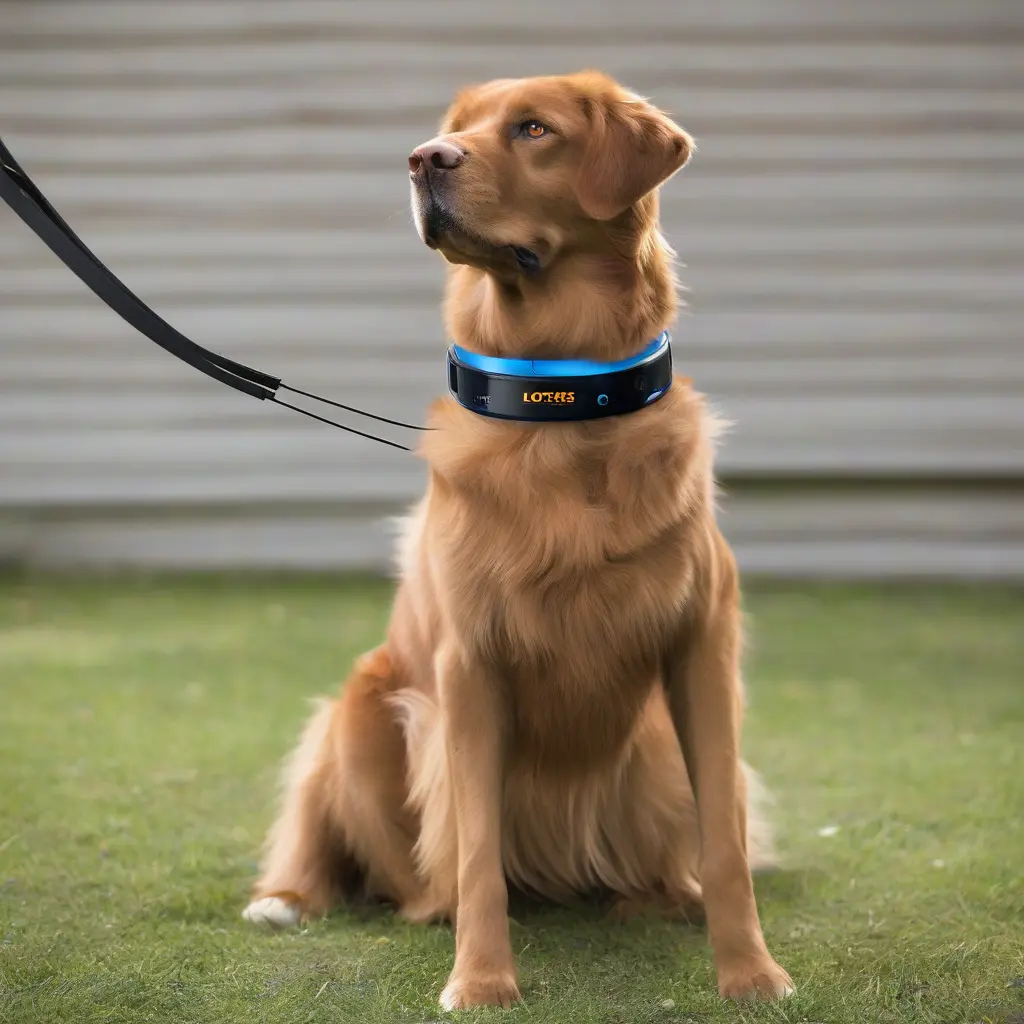
Electric training collars, often referred to as e-collars or shock collars, have sparked debate among pet owners and trainers. While some advocate for their effectiveness in training, others express concern about their potential adverse impacts on pets. This article explores the pros and cons of electric training collars, helping you understand their uses, benefits, risks, and ethical considerations, enabling you to make an informed choice for your pet.
What is an Electric Training Collar?
An electric training collar is a device typically worn around a dog’s neck that delivers a corrective stimulus when activated. These collars come with various features, including tone, vibration, and electric stimulation settings. They are often used for reinforcing training commands, preventing negative behavior, or facilitating off-leash training. Understanding how these devices function is crucial for determining their appropriateness for your pet’s training needs.
Pros of Using Electric Training Collars
One major advantage of using electric training collars is their effectiveness in behavior modification. They can quickly deter unwanted behaviors such as excessive barking, digging, or aggression, making them valuable tools for certain training scenarios. Additionally, they allow for remote training, enabling pet owners to correct behaviors from a distance, which can be particularly beneficial in off-leash training contexts and ensuring safety during outdoor activities.
Consistency in Training
Electric training collars can help maintain consistent communication during training sessions, which is essential for effective learning. The collar signals can be applied immediately when an unwanted behavior occurs, helping dogs associate the behavior with the corrective action. This immediate feedback can enhance the learning experience, allowing for a more efficient training process when used correctly.
Flexibility in Training Methods
These collars offer flexibility in training approaches, accommodating different training needs and styles. For instance, some dog owners prefer positive reinforcement methods, while others might find a combination of methods more effective. Electric training collars can be adjusted in intensity, allowing trainers to opt for softer corrections or more significant stimulations based on the dog’s temperament and behavior.
Potential Risks and Drawbacks
Despite their benefits, electric training collars come with potential risks and drawbacks. Misuse can lead to physical harm or psychological distress for the dog. If used improperly, these devices can confuse pets or exacerbate behavioral issues. Hence, it’s crucial for pet owners to educate themselves on safe and responsible usage to minimize these risks and ensure a positive training experience.
Ethical Considerations
The ethical implications of using electric training collars have been a topic of ongoing discussion among trainers, veterinarians, and animal welfare advocates. Some argue that using such devices for training is inhumane and may undermine the bond between pet and owner. Understanding these ethical concerns is vital for pet owners to navigate their options responsibly and to choose training methods that reflect humane treatment.
Expert Recommendations
Experts recommend consulting with professional trainers or behaviorists before opting for electric training collars. Trainers can provide insights on whether these devices are suitable for your dog’s specific behavior issues and recommend alternative training methods if necessary. Professional guidance can ensure that the collar, if used, is applied safely and effectively, maximizing its benefits while minimizing potential harm.
Choosing the Right Collar
When considering an electric training collar, it’s essential to choose the right type that suits your dog’s size, temperament, and specific training goals. Look for collars that have adjustable settings for stimulation levels and a reliable range for effective communication. Additionally, consider options with safety features, such as automatic shut-off mechanisms and shock-free settings, to prevent misuse while training.
Alternatives to Electric Training Collars
If you’re hesitant about using electric training collars, several alternatives exist. Positive reinforcement tools, such as treats, clickers, or verbal praise, are effective methods for encouraging good behavior. Other options include harnesses designed for no-pull training, long leashes for distance training, and behavioral modification classes that emphasize positive interaction between owner and pet, providing humane solutions without the need for electric stimulation.
Legal Considerations
In some regions, the use of electric training collars is regulated or even banned due to concerns over animal welfare. Pet owners should familiarize themselves with local laws and regulations regarding these devices to avoid potential legal issues. Being aware of these regulations ensures that pet owners remain compliant and can make informed decisions about their training methods.
Owner Testimonials and Experiences
Many pet owners have reported positive experiences with electric training collars, citing their effectiveness in resolving specific behavior problems. However, others shared cautionary tales, detailing instances where misuse resulted in stress or anxiety for their pets. Gathering testimonials from various sources can provide valuable insights into how these collars perform in real-life scenarios, helping potential users weigh their options effectively.
Conclusion
Ultimately, the decision to use an electric training collar should be made after careful consideration of its pros and cons, legal implications, and ethical considerations. Consulting with experts and exploring alternative training methods can provide a well-rounded perspective, ensuring that your approach to training aligns with your values and meets your pet’s needs.