
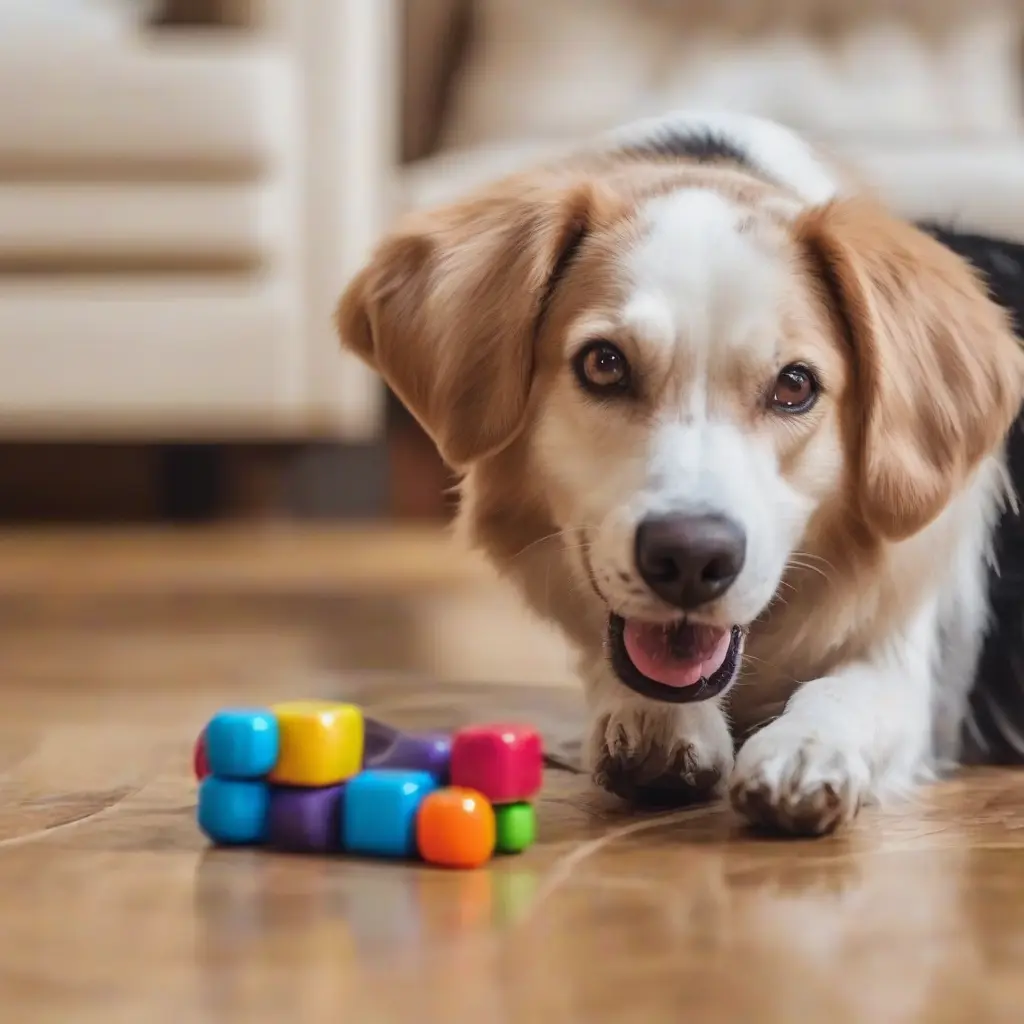
Puzzle toys for dogs have gained popularity among pet owners as an effective tool for mental stimulation and engagement. These interactive toys challenge dogs to solve problems to earn treats, thereby mimicking natural foraging behaviors. By providing mental exercise, puzzle toys can reduce boredom-related behaviors, anxiety, and stress. Furthermore, they encourage bonding time between pets and their owners. Understanding the benefits of these toys can enhance a dog’s quality of life and provide them with an enriching environment that supports both physical and cognitive development.
Mental Stimulation Benefits
Puzzle toys offer crucial mental stimulation for dogs, which is essential for their overall well-being. Engaging in problem-solving activities gives dogs a chance to use their cognitive skills, reducing the likelihood of developing behavioral issues like excessive barking or chewing. These toys mimic natural hunting and foraging instincts, keeping their minds sharp and preventing mental fatigue. Such stimulation is particularly beneficial for high-energy breeds that require more than just physical exercise. By regularly incorporating puzzle toys into playtime, you can ensure your dog remains mentally agile and satisfied.
Reducing Boredom and Destructive Behavior
One of the primary advantages of using puzzle toys is their ability to mitigate boredom-related behaviors in dogs. When dogs lack mental and physical stimulation, they often resort to destructive behaviors, such as chewing furniture or digging through trash. Puzzle toys not only entertain but also focus their energy on problem-solving rather than on negative behaviors. Owners can witness a noticeable difference in their pet’s attitude and behavior after integrating these toys into their daily routine, leading to a calmer and more content dog.
Promoting Bonding and Interaction
Puzzle toys serve as an excellent opportunity for owners and their pets to bond through engaging play. These toys often require guidance or participation from their owners, creating a collaborative environment. This shared experience strengthens the bond between dog and owner, fostering trust and understanding. Additionally, when owners actively participate by showing their dogs how to use these toys, it reinforces positive behaviors and encourages learning. Such interactions can lead to a more obedient and well-adjusted dog, making puzzle toys a worthwhile investment in your pet’s development.
Encouraging Physical Activity
While puzzle toys primarily focus on mental engagement, they can also promote physical activity in dogs. Many of these toys require the dog to move around, nudging, pawing, or even rolling to access hidden treats. This movement can help maintain a healthy weight, especially in pets that might otherwise be sedentary. By stimulating their bodies alongside their minds, puzzle toys provide a holistic approach to pet wellness. Incorporating these toys into playtime can create a more active lifestyle for dogs, preventing obesity-related health issues.
Variety of Puzzle Toys Available
The market offers a diverse range of puzzle toys, catering to different breeds and skill levels. Some toys require simple actions like flipping or sliding to reveal treats, while others present more complex challenges that test a dog’s problem-solving capabilities extensively. This variety allows pet owners to choose toys that best match their dog’s interests and proficiency, ensuring continued engagement. Furthermore, rotating toys periodically can maintain a sense of novelty, keeping your dog excited and eager for playtime, which is vital in sustaining their interest.
Choosing the Right Puzzle Toy
Selecting the right puzzle toy for your dog can significantly affect their engagement and enjoyment levels. Consider your dog’s size, age, and chewing habits when choosing a toy to ensure it is safe and appropriate. Toys made from durable materials are essential for aggressive chewers to prevent breakage and ingestion. Additionally, starting with simpler toys and gradually progressing to more challenging options can ensure your dog stays motivated without becoming frustrated. Observing your dog’s interaction with toys can help you make informed decisions in future purchases.
Tips for Introducing Puzzle Toys
Introducing puzzle toys to your dog should be a gradual process to ensure they remain engaged without overwhelming them. Begin by demonstrating how the toy works, perhaps by placing treats inside and showing your dog how to retrieve them. It may take some time before they understand the concept fully, so patience is key. Encourage them through praise or gentle guidance as they explore the toy. Over time, as their confidence builds, you can increase the difficulty level by using more challenging puzzle toys that will continue to stimulate their minds.
The Role of Puzzle Toys in Behavior Training
Puzzle toys can also play a significant role in behavior training for dogs. By incorporating them into training routines, owners can teach their pets patience, focus, and resilience. These skills are essential, especially for dogs that may struggle with impulse control. When dogs learn to work for their rewards, they develop a sense of accomplishment and understanding of cause and effect. This principle can be applied to more formal training sessions, making puzzle toys a valuable tool not just for fun but also for training and behavioral improvement.
Monitoring Engagement and Safety
While puzzle toys offer numerous benefits, it’s important to monitor your dog’s engagement to ensure they are using the toys safely. Regularly inspect the toys for wear and tear, replacing them as needed to prevent accidental ingestion of broken parts. Additionally, some dogs may become overly excited or frustrated, leading to undesirable behavior. It’s essential to observe how your dog interacts with the toys and to provide breaks if they show signs of stress or boredom. Balanced playtime and supervision can maximize enjoyment while maintaining safety.
Conclusion
Puzzle toys are an effective way to enhance your dog’s mental engagement and overall happiness. Through promoting cognitive skills, reducing boredom, and fostering bonding, these toys contribute positively to a dog’s life. By carefully selecting and introducing these toys into your dog’s routine, you can create an enriching environment that supports their physical and mental health. With the right approach, puzzle toys become not just entertainment but a valuable investment in your pet’s well-being, ensuring they lead a fulfilling and joyful life.