
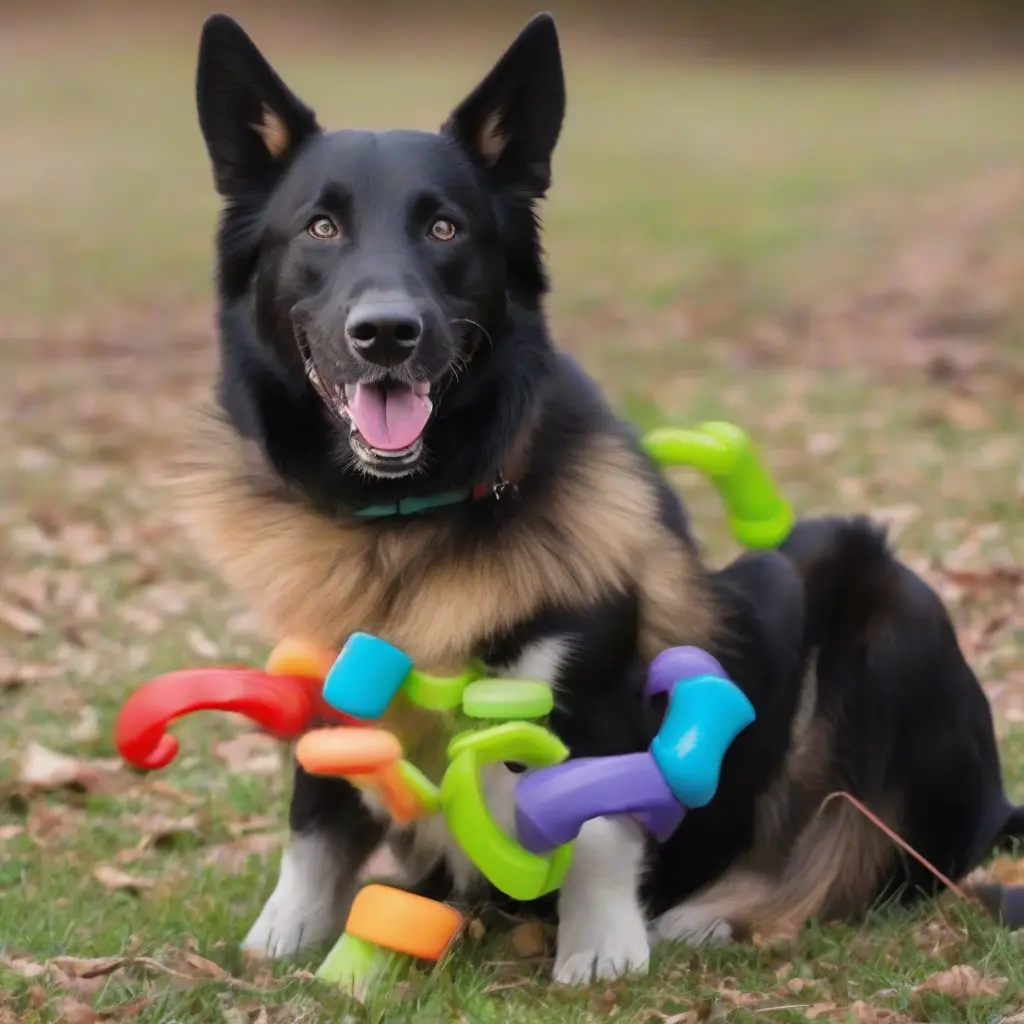
Training your dog can be a rewarding experience that strengthens your bond while ensuring good behavior. Using treat-dispensing toys as training tools adds an element of fun and mental stimulation to the process. These toys not only engage your canine but also motivate them to learn commands and tricks as they work for their rewards. This article explores various techniques and tips on how to effectively use treat-dispensing toys to train your dog, ensuring both you and your pet enjoy the journey.
Understanding Treat-Dispensing Toys
Treat-dispensing toys are designed to engage dogs physically and mentally. They typically release treats or kibble when the dog interacts with them, encouraging problem-solving and play. These toys can vary widely in design and complexity, from simple balls to intricate puzzles. Understanding how these toys work helps pet owners select the right type for their dog’s skill level and preferences. This understanding is essential for maximizing the training benefits and keeping your dog interested.
Benefits of Using Treat-Dispensing Toys
Using treat-dispensing toys offers numerous advantages in dog training. They promote mental stimulation, which is crucial for preventing boredom-related behaviors such as chewing or barking. These toys also encourage physical activity, helping to maintain a healthy weight. Additionally, they can foster problem-solving skills as dogs learn to maneuver the toy to access the treats inside. By incorporating these toys into training sessions, owners can create a positive, engaging environment that motivates their dogs to learn.
Choosing the Right Treat-Dispensing Toy
Selecting the appropriate treat-dispensing toy depends on your dog’s size, breed, and skill level. For puppies and smaller breeds, simpler toys that require minimal effort to dispense treats are ideal. Conversely, larger dogs or those with more experience may benefit from complex toys that challenge their problem-solving abilities. It’s important to consider your dog’s chewing habits as well; some toys are more durable than others. Assessing these factors ensures that the chosen toy will engage your dog effectively.
Introducing the Toy to Your Dog
When first introducing a treat-dispensing toy to your dog, start in a quiet, distraction-free environment. Show your dog the toy and allow them to explore it. You may need to help them understand how it works by demonstrating how to nudge or roll the toy. Begin with easy-to-dispense treats to boost their confidence. Gradually, as your dog learns the mechanics, you can increase the difficulty by using treats that require more effort to release, keeping the training dynamic and engaging.
Incorporating Commands with Toys
Integrating verbal commands with the use of treat-dispensing toys enhances your dog’s training experience. You can teach commands like ‘sit’, ‘stay’, or ‘fetch’ by using the toy as a reward tool. For example, ask your dog to ‘sit’ before allowing them to access the toy. This method reinforces obedience alongside the fun of play, making learning enjoyable. Gradually reduce the frequency of treats as your dog becomes more proficient, helping them develop long-term retention of the commands.
Establishing a Routine
Creating a consistent training routine incorporating treat-dispensing toys is key to effective learning. Scheduling specific times for training helps your dog anticipate training sessions and focus on the task at hand. Regular practice reinforces learned commands and tricks, enhancing your dog’s ability to retain information. Moreover, setting aside time for play using these toys provides a structured environment that balances training and fun. This routine not only establishes good habits but also strengthens the bond between you and your dog.
Monitoring Your Dog’s Progress
As with any training method, monitoring your dog’s progress with treat-dispensing toys is essential. Take note of how quickly they learn to manipulate the toy and their responsiveness to commands when using it. If your dog seems frustrated or loses interest, assess the difficulty level of the toy and adjust it accordingly. Providing regular feedback and rewards helps maintain motivation. Celebrate small victories and milestones along the way, ensuring that your dog remains encouraged during their training journey.
Common Challenges and Solutions
While training with treat-dispensing toys can be fun, it’s not without challenges. Dogs may initially struggle to understand how to interact with the toy, leading to frustration. To address this, consider simplifying the toy’s mechanics or using more appealing treats to spark their interest. Some dogs may become possessive over the toy, which requires supervision and gentle corrections to promote sharing behavior. Understanding these common obstacles enables owners to create a supportive learning environment for their pets.
Using Toys for Separation Anxiety
Treat-dispensing toys can also be beneficial for dogs suffering from separation anxiety. Engaging your dog with a toy filled with tasty treats can distract them from your absence and keep them occupied. This method not only provides mental stimulation but also creates positive associations with alone time. To optimize this approach, gradually increase the duration of your absences while ensuring your dog feels comfortable and safe. With patience and consistency, these toys can help ease their anxiety significantly.
Safety Tips for Using Treat-Dispensing Toys
Safety should always be a priority when using treat-dispensing toys. Regularly inspect the toys for signs of wear or damage, as broken parts can pose choking hazards. Ensure that the treats used are appropriate for your dog’s size and dietary needs to avoid health issues. Always supervise your dog during play, especially with new toys, to prevent accidents. Adhering to safety guidelines ensures a fun and secure training environment for both you and your pet.
Conclusion
Treat-dispensing toys offer a versatile and enriching approach to dog training, promoting engagement while teaching essential commands. By understanding your dog’s needs and incorporating these toys into a structured training routine, you can foster a positive learning atmosphere. Regular monitoring and adjustments can further enhance the training experience, allowing your dog to thrive. Ultimately, these toys not only support effective training but also strengthen the bond between you and your furry friend.