
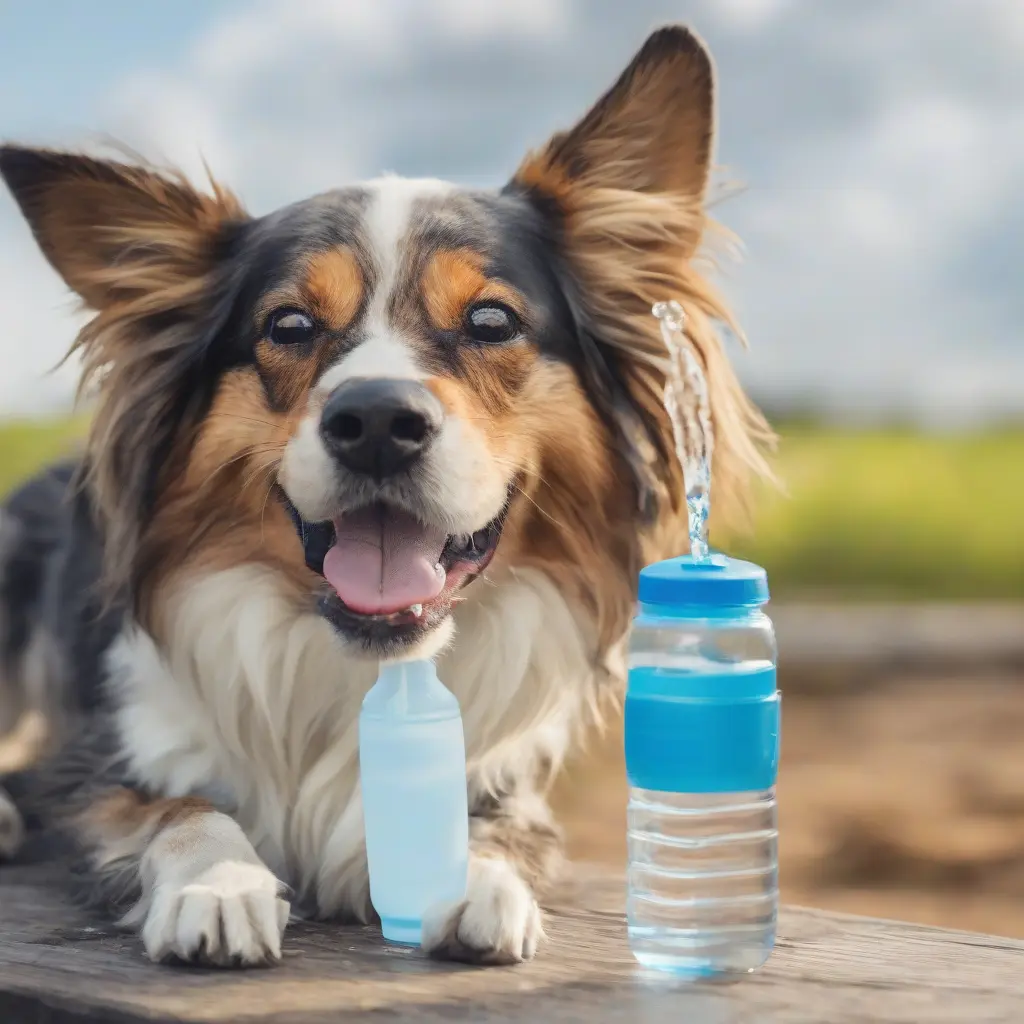
Proper hydration is crucial for the health and well-being of your pets, impacting everything from their energy levels to their overall organ function. Just like humans, pets require adequate water intake to maintain physiological balance, support digestion, and promote healthy skin and coat. Many pet owners often overlook the signs of dehydration, which can lead to serious health issues. This article provides an in-depth look at the importance of hydration for pets and offers practical tips to ensure your furry friends stay well-hydrated.
Understanding the Signs of Dehydration in Pets
Recognizing the signs of dehydration in pets is the first step in keeping them hydrated. Common signs include lethargy, dry mouth, and excessive panting. In some cases, a pet’s skin might lose its elasticity, and you may notice them being less active than usual. If the eyes appear sunken or the pet exhibits a decreased appetite, these could also be indicators that hydration is needed. Early detection is essential, as dehydration can quickly escalate to more severe health problems.
Daily Water Requirements for Pets
Understanding how much water your pet needs daily can help you ensure they stay hydrated. For dogs, a general guideline is about one ounce of water per pound of body weight, while cats typically require around 3.5 to 4.5 ounces for every 5 pounds. Factors influencing water intake include activity level, diet, and ambient temperature. Pets that eat dry kibble often need more water compared to those on wet food diets, which contain a higher moisture content.
Hydration Tips for Dogs
Keeping your dog hydrated requires some attention to their routine. Always provide fresh, clean water throughout the day, and consider multiple water bowls in different areas of your home. During outdoor activities, take portable water bottles and collapsible bowls for hydration breaks. If your dog is more inclined to drink flavored water—such as broth—you might add a bit to encourage water intake. Lastly, monitor their water consumption regularly, as it can help you detect any changes in their hydration levels.
Hydration Tips for Cats
Cats can be notoriously picky about drinking water, so encouraging hydration can be a bit more challenging. Providing a cat water fountain can stimulate their natural instinct to drink, thanks to moving water. Additionally, consider including wet food in their diet since it contributes significantly to their daily hydration. Place multiple water bowls around the house and ensure they are regularly cleaned to avoid any algae buildup. Some cats prefer running water, so experimenting with various sources can help identify what works best for your pet.
Using Ice Cubes for Fun and Hydration
An enjoyable way to ensure your pet stays hydrated is by offering ice cubes as a treat. Many dogs and some cats enjoy chewing on ice, which can help increase their fluid intake. You can also make ice cubes using low-sodium chicken or beef broth for added flavor. This strategy not only motivates your pet to hydrate but also provides a refreshing snack, particularly on hot days. Just be cautious with the size of the ice cubes for smaller pets to prevent choking hazards.
The Link Between Hydration and Diet
The type of food you offer your pet can significantly affect their hydration levels. Dry kibble contains minimal moisture, meaning pets will rely heavily on water intake. Conversely, wet food or raw diets usually contain high moisture content, assisting with hydration. When transitioning your pet’s diet, be mindful of their water intake, ensuring they adapt well to the dietary changes. Additionally, combining both wet and dry food can help balance their hydration needs while keeping their meal exciting.
Hydration During Hot Weather
Hot weather can lead to increased hydration needs for pets, particularly for breeds with thick fur or brachycephalic breeds prone to overheating. Provide access to shade and cool areas where they can retreat during extreme heat. Consider offering ice water and frequent hydration breaks during outdoor activities. Avoid walking pets during peak hours to reduce the risk of overheating, and watch for signs of heat stress, as early intervention can prevent severe complications.
Monitoring Hydration with Homemade Tests
You can perform simple tests at home to monitor your pet’s hydration status. One effective method is the skin tent test: gently pinch the skin on the back of your pet’s neck and release. If the skin does not return to its original position quickly, this may indicate dehydration. Additionally, check their gum color; healthy gums should appear pink and moist. If you notice any inconsistencies, consult your veterinarian for comprehensive assessments and advice.
Consulting Your Veterinarian
Regular veterinary check-ups are essential for maintaining your pet’s hydration and overall health. Your veterinarian can provide tailored guidance on hydration needs, especially if your pet has specific health conditions or dietary requirements. They may recommend specialized diets or hydration products if necessary. Monitoring your pet’s weight and hydration levels during veterinary visits will also help in early identification of potential health issues.
Conclusion
In conclusion, keeping your pet well-hydrated is vital for their health and longevity. By recognizing the signs of dehydration, understanding daily water needs, and utilizing creative strategies, you can ensure your furry friend receives the adequate hydration they need. Incorporating these tips into your pet care routine will contribute positively to their well-being, promoting a happier and healthier life.