
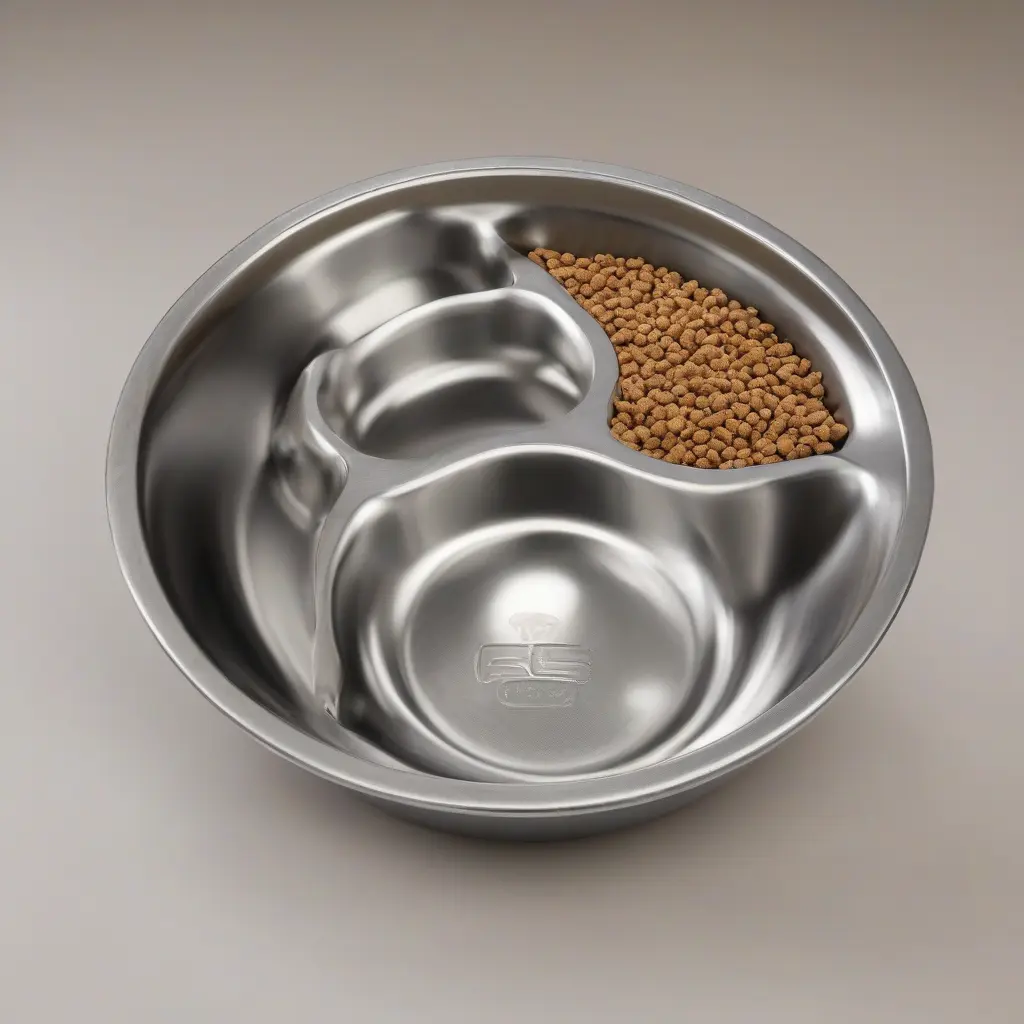
Selecting the right bowl for your pet’s feeding needs involves considering various material options. Each material offers distinct advantages and disadvantages, impacting your pet’s health, comfort, and feeding habits. Understanding these factors will help you make an informed choice that enhances your pet’s dining experience. Whether you have a dog or cat, the material of the bowl can affect not only the safety and hygiene of the feeding environment but also the ease of cleaning and longevity of the bowl itself. This article details the various materials available for pet bowls, helping you decide the best fit for your furry friend.
Stainless Steel Bowls: Durability and Safety
Stainless steel bowls are highly recommended for their durability and safety attributes. Unlike plastic, they do not leach chemicals, making them a safer option for pets. Additionally, they resist scratching, which prevents the accumulation of harmful bacteria. These bowls are also dishwasher-safe, promoting easy cleaning and maintaining hygiene standards. Their weight ensures they remain stable during feeding, minimizing spills and messes. Overall, stainless steel bowls offer a smart investment for pet owners seeking a long-lasting and health-conscious feeding solution.
Ceramic Bowls: Aesthetic Appeal and Weight
Ceramic bowls are often chosen for their aesthetic appeal, available in various colors and designs. They add a decorative touch to your home while providing a sturdy feeding option. However, they can be more fragile than stainless steel, posing a risk of breakage. It’s essential to check that the ceramic is lead-free and food-safe to ensure your pet’s safety. The weight of ceramic bowls can prevent tipping during feeding, making them suitable for enthusiastic eaters. Regular inspection for chips or cracks is crucial to maintain hygiene and safety.
Plastic Bowls: Lightweight and Budget-Friendly
Plastic bowls are lightweight and often the most budget-friendly option available. They come in various shapes and sizes, catering to different pet breeds and feeding habits. However, pet owners should be aware that plastic may scratch easily, leading to bacteria buildup over time. Some pets may also develop allergies or sensitivities to certain plastics. It’s advisable to look for BPA-free options and to regularly replace plastic bowls to prevent health issues. The convenience and affordability of plastic bowls can still make them a viable option when health considerations are addressed.
Silicone Bowls: Flexibility and Portability
Silicone bowls are gaining popularity due to their flexibility and portability. Ideal for travel or outdoor activities, they can be folded or collapsed, making them easy to store. Silicone is non-toxic and generally safe for pets, though it may not provide the same level of stability as heavier materials. Cleaning is straightforward, as most silicone bowls are dishwasher-safe. These bowls are also resistant to spills, which can be beneficial for messy eaters. When selecting a silicone bowl, ensure it’s of high quality and designed to withstand regular use.
Bamboo Bowls: Eco-Friendly Choice
Bamboo bowls are an eco-friendly alternative, appealing to environmentally conscious pet owners. Made from sustainable bamboo, these bowls often incorporate other materials like melamine for added durability. They are lightweight, making them easy to handle, and their natural aesthetics blend well in many home decors. However, bamboo bowls can be more susceptible to water damage if not treated properly and may warp over time. Regular cleaning and proper care can extend their lifespan, making them a responsible choice for pet owners looking to reduce their environmental impact.
Non-Slip Features: Enhancing Feeding Stability
Choosing bowls with non-slip features can significantly improve your pet’s feeding experience. These bowls often come with rubberized rings or bases to prevent sliding during meals. Particularly beneficial for larger or more vigorous pets, non-slip bowls help contain mess and promote stability, allowing your pet to eat without distractions. While many materials can incorporate non-slip designs, it’s essential to check that these features are durable and easy to clean. Non-slip options not only enhance convenience for pet owners but also contribute to a calmer and more organized feeding routine.
Choosing the Right Size: Tailoring to Your Pet
Selecting the right size bowl is crucial for your pet’s feeding habits. Bowls should accommodate the size and breed of your pet; for example, larger dogs require bigger bowls to hold sufficient food and water. Cats typically require smaller bowls, but the depth should enable them to eat comfortably. A bowl that’s too small can lead to frequent refills or frustration, while a bowl that’s excessively large may lead to spills. It’s important to evaluate your pet’s eating style and adjust the bowl size accordingly, promoting a more satisfying dining experience.
Hygiene Matters: Cleaning and Maintenance Tips
Maintaining hygiene in your pet’s feeding area is essential for their health. Regularly cleaning the bowls will help prevent bacteria buildup and assure safe feeding practices. Ideally, stainless steel and silicone bowls are dishwasher-safe, making cleaning easier. For ceramic and plastic bowls, it’s essential to wash them with warm water and a pet-safe detergent. Additionally, bowls should be inspected regularly for any wear or damage. Maintaining a clean feeding area not only promotes better health for your pet but also contributes to a fresher environment in your home.
Conclusion
In conclusion, selecting the right bowl for your pet involves careful consideration of the material, size, and hygiene practices. Understanding the pros and cons of each option allows you to make a knowledgeable decision that best suits your pet’s needs. Whether you choose stainless steel, ceramic, plastic, silicone, or bamboo, ensuring that the bowl is safe, durable, and easy to clean is essential for a positive feeding experience. Prioritizing your pet’s health and comfort will enhance their well-being and overall happiness.