
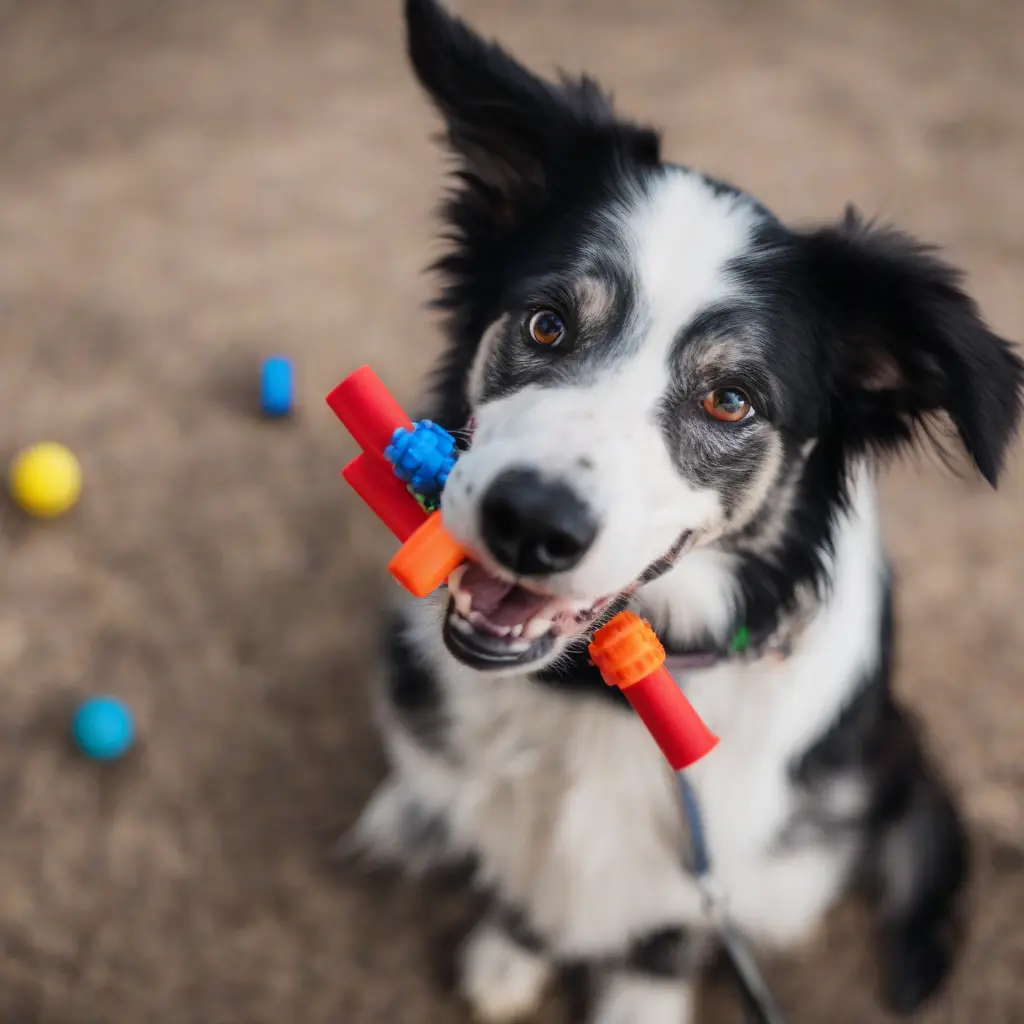
The journey of training a dog can be both rewarding and challenging. Understanding how to effectively use toys in the training process can significantly enhance this experience. Toys engage a dog’s natural instincts and provide an outlet for energy, which is essential during training. When incorporated thoughtfully, they help create positive associations with learning, making it easier for dogs to grasp new concepts. This article delves into the importance of various types of toys in dog training, how they can aid in behavior reinforcement, and the ways they contribute to your dog’s overall well-being.
The Role of Toys in Dog Training
Toys play a critical role in dog training by stimulating mental and physical engagement. When dogs interact with toys, it encourages exploration and curiosity, which are essential for learning. Using toys as rewards during training can reinforce desired behaviors and motivate your dog to repeat those actions. For instance, a well-timed toss of a favorite toy can be the perfect reward for demonstrating a new command. Understanding how to integrate toys into training sessions can help dogs feel more enthusiastic about learning, turning potentially mundane tasks into enjoyable activities.
Types of Toys that Enhance Training
Different types of toys contribute various benefits to dog training. Chew toys, for example, can help with teething and keep dogs occupied while reinforcing good chew habits. Interactive toys, such as puzzle feeders, challenge a dog’s intelligence and encourage problem-solving skills, making training sessions more dynamic. Fetch toys, like balls and frisbees, promote physical exercise as well as chase and retrieval commands. Selecting the right type of toy can cater to specific training objectives and complement your dog’s personality and energy level.
Using Interactive Toys for Skill Development
Interactive toys are exceptionally effective for skill development in dogs, as they stimulate both the mind and body. Toys that require dogs to manipulate or figure out how to retrieve treats foster independence and persistence. For instance, a treat-dispensing toy encourages dogs to think critically as they learn to solve the puzzle. This not only sharpens their cognitive abilities but also instills a sense of accomplishment. By incorporating interactive toys into training, you create an engaging experience that reinforces learning while keeping your dog entertained.
Building a Strong Bond through Play
Playtime is essential for building a strong bond between you and your dog. Engaging in play fosters trust and communication, creating a positive relationship that enhances the training experience. Toys facilitate this interaction by allowing you to share enjoyable moments with your canine companion. Whether playing tug-of-war or fetch, these shared activities promote social skills and emotional connections. A strong relationship built on play significantly improves your dog’s responsiveness during training and can lead to more effective learning outcomes.
Training with Toys: Basic Commands
Training with toys can simplify teaching basic commands like ‘sit,’ ‘stay,’ and ‘come.’ Employing a favorite toy as a motivator can make these commands more appealing. For example, using a toy as a reward when your dog successfully sits can reinforce the behavior positively. Additionally, toys can serve as visual cues to enhance understanding; for instance, tossing a toy a short distance can demonstrate the concept of ‘come.’ By making commands more engaging through toys, you can accelerate the learning process while providing a fun experience for your dog.
Reducing Negative Behaviors with Toys
Incorporating toys into your dog’s routine can also be an effective strategy for reducing negative behaviors. Dogs often misbehave out of boredom or excess energy. Providing adequate playtime with stimulating toys can channel their energy into productive activities. For example, chew toys can deter destructive chewing, while interactive toys can diminish excessive barking or attention-seeking behaviors. By addressing the root causes of negativity through play, you promote a happier and more balanced dog, allowing for a smoother training process overall.
Safety Considerations When Choosing Toys
When selecting toys for your dog’s training, safety should be a top priority. Always opt for toys made from non-toxic materials that are safe for chewing and play. Check for any small parts that could pose choking hazards or toxic substances that may harm your dog’s health. Additionally, consider the size of the toy in relation to your dog’s breed; a small toy may be easy to swallow for larger breeds. Regularly inspect toys for wear and tear to ensure continued safety. By prioritizing safety, you create a secure environment for your dog to train and play.
Encouraging Independent Play and Learning
Encouraging independent play is important for dogs’ confidence and self-reliance. Providing toys that require solo interaction allows your dog to explore and learn at their own pace. Puzzle toys or treat-dispensing options can promote independent problem-solving while keeping your dog entertained. This type of play not only reduces separation anxiety but also empowers your dog to enjoy time alone. Fostering independent play ensures that your dog is comfortable in their environment and can help reinforce learning outside structured training sessions.
Establishing a Well-Rounded Training Routine
A well-rounded training routine incorporates various elements, including toys, structured training, and socialization. Balancing the use of toys with consistent training practices creates a comprehensive environment for learning. Schedule regular sessions that include both structured training and playtime to maintain engagement and motivation. This hybrid approach allows dogs to make connections between commands, play, and positive reinforcement. Consistency in routine fosters discipline, making training sessions more productive and enhancing your dog’s overall behavior.
Conclusion
Incorporating toys into your dog training is not just beneficial but essential for promoting engagement and effective learning. The right toys enhance behaviors, encourage bonding, and foster a positive experience for both the dog and the trainer. By understanding the various ways toys can be used, you can create a nurturing environment that supports your dog’s development. Remember to prioritize safety and ensure that your dog enjoys their training experience through play—it can make all the difference in their learning journey.