
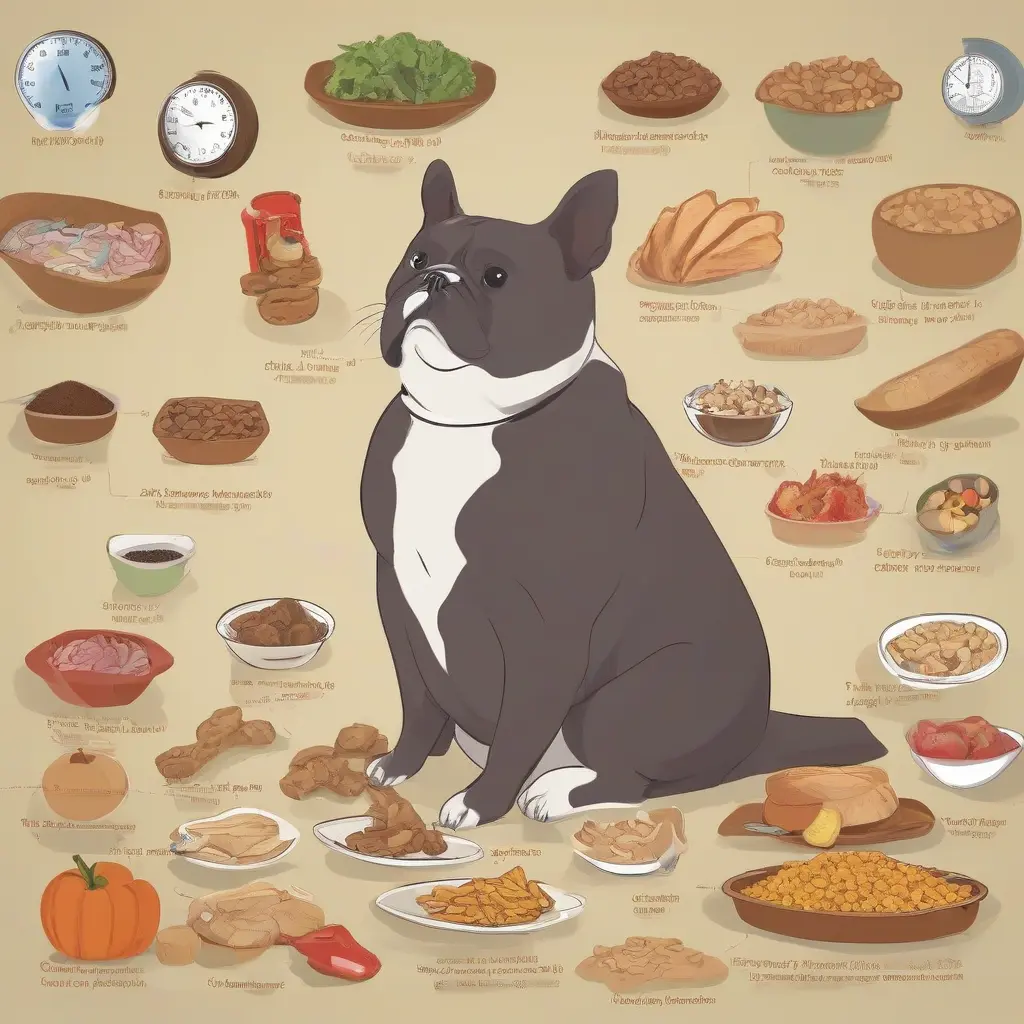
Pet obesity is a significant health issue affecting millions of animals worldwide, leading to various disorders like diabetes and joint problems. Addressing this problem is crucial for improving the quality of life of our furry companions. Understanding practical feeding strategies can empower pet owners to make informed decisions regarding their pets’ diets. This article will explore effective feeding practices, portion control, and nutritional guidelines to combat pet obesity successfully.
Understanding Pet Obesity: Causes and Risks
Pet obesity is primarily driven by overfeeding, lack of exercise, and incorrect feeding habits. Pets that consume more calories than they expend are likely to gain weight, leading to numerous health risks. Common issues associated with obesity include diabetes, heart disease, and joint pain, which can significantly reduce a pet’s lifespan. It is crucial to understand these underlying causes as a first step in developing effective feeding strategies that promote a healthier lifestyle for pets.
Establishing a Feeding Routine
Creating a feeding schedule is essential for managing your pet’s weight effectively. Consistency in feeding times helps regulate your pet’s metabolism and hunger cues. Dividing meals into two or three smaller portions throughout the day can aid in better digestion and sustain energy levels. A structured routine not only supports weight management but also strengthens the bond between you and your pet, as they come to anticipate their meal times.
Choosing the Right Pet Food
Selecting a high-quality pet food is critical in combating obesity. Look for formulas specifically designed for weight management, which typically contain lower calories and higher fiber to promote satiety. It’s essential to read the label carefully and ensure that the food meets the nutritional needs of your pet’s age, size, and breed. Always consult with your veterinarian for advice on the best feeding options for your pet to ensure a balanced diet that supports healthy weight loss.
Portion Control: Measuring Food Accurately
One of the most effective strategies in managing pet obesity is practicing proper portion control. Using a measuring cup to provide exact serving sizes ensures that your pet does not consume excess calories. Veterinarians often recommend calculating your pet’s daily caloric needs based on their ideal weight and activity level. Additionally, avoid free-feeding, where food is available all day, as this can lead to overeating and poor weight management.
Incorporating Healthy Treats
Treats are an integral part of your pet’s diet, but choosing healthy options is essential to support weight loss. Offer low-calorie fruits and vegetables, such as carrots or apple slices, as alternatives to traditional, calorie-dense treats. This not only satisfies cravings but also provides added nutrients. Make sure to account for treats in your pet’s daily calorie allowance to maintain a balanced diet and prevent excess weight gain.
Enhancing Physical Activity for Weight Loss
Regular exercise is as important as diet in combating pet obesity. Aim for at least 30 minutes of physical activity each day, depending on your pet’s breed and energy levels. Activities such as walking, fetching, or agility training can be both enjoyable and effective. Engaging your pet in play not only aids in weight loss but also enhances their overall mental health, making them happier companions.
Monitoring Weight Loss Progress
Monitoring your pet’s weight loss progress is vital to determine the effectiveness of your feeding strategies. Regularly weigh your pet and keep track of their weight every few weeks. Consult with your veterinarian to adjust diet plans and feeding schedules based on these check-ins. Watching for any improvement in activity levels, energy, and overall health can also provide valuable insight into the success of your weight management efforts.
The Role of Veterinary Guidance
Always involve your veterinarian in your pet’s weight loss journey. They can provide tailored nutrition advice and create a safe weight loss plan based on your pet’s individual needs. Regular check-ups help monitor health conditions associated with obesity and adjust feeding strategies as necessary. Your vet will ensure that your pet loses weight safely and effectively while also maintaining their overall health and nutritional balance.
Creating a Supportive Environment at Home
A home environment that supports healthy habits is crucial in managing your pet’s weight. Store pet food in areas that are not easily accessible, and avoid sharing human food, which may lead to unwanted calories. Encourage family members to participate in your pet’s feeding and exercise routine to create consistency. Making positive lifestyle changes together fosters a supportive atmosphere that can significantly enhance your pet’s weight loss journey.
Conclusion
In conclusion, combating pet obesity requires a multifaceted approach, incorporating practical feeding strategies, regular exercise, and veterinary guidance. By understanding the causes of obesity and implementing these strategies, you can help your pet achieve a healthier weight, improving their quality of life. Consistency and commitment to these changes not only benefit your pet’s physical health but also enrich the bond you share with them.