
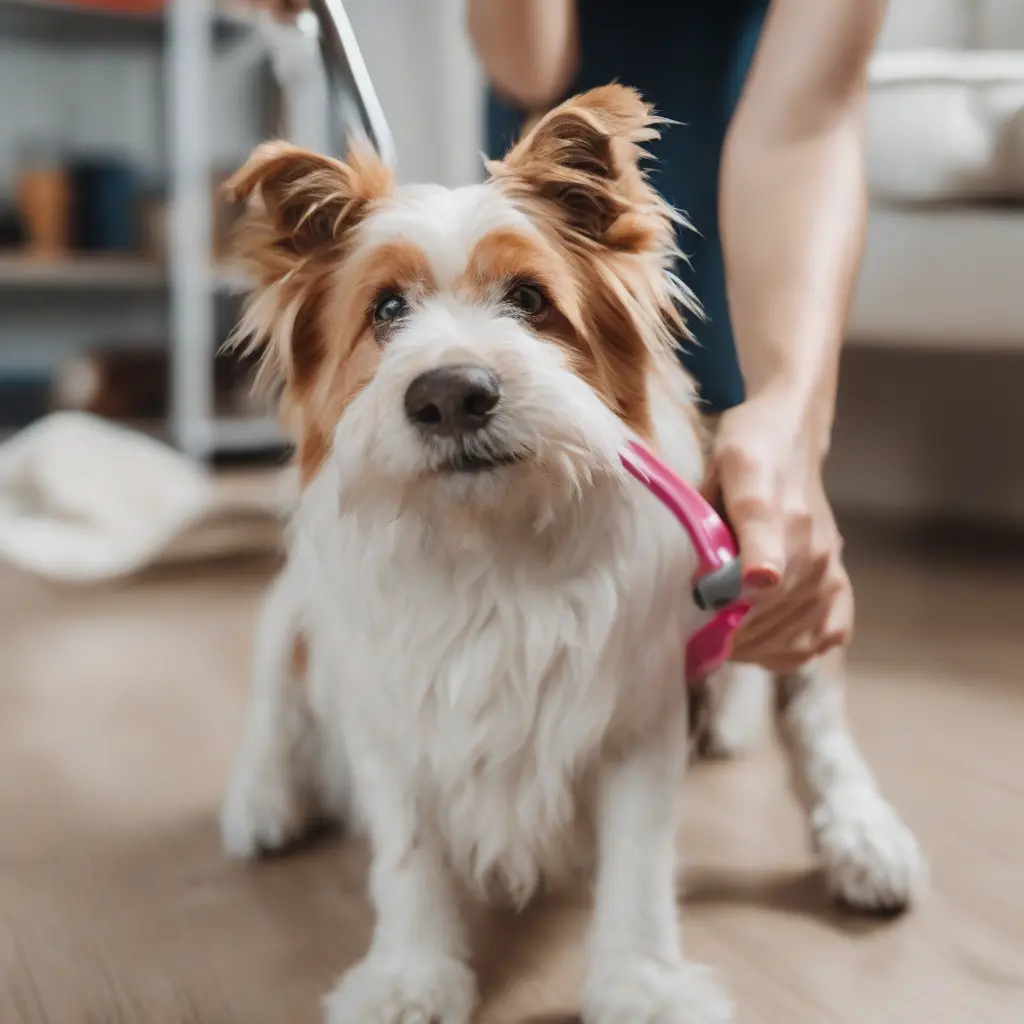
Cleaning and maintaining your pet accessories is essential for your pet’s health and the longevity of the items. Regular upkeep not only ensures a clean environment for your furry friend but also saves you money in the long run. With numerous types of accessories, such as collars, leashes, toys, and bedding, each requires specific care techniques. Understanding how to properly clean and maintain each item will help prevent wear and tear, bacterial growth, and unpleasant odors, ultimately contributing to a happier, healthier pet and a cleaner home.
Understanding Different Materials in Pet Accessories
Pet accessories come in various materials, such as nylon, leather, fabric, and rubber, each requiring unique care methods. For instance, nylon and rubber items are typically more resistant to moisture, making them easier to clean with soap and water. Leather, on the other hand, may require specialized cleaners to avoid damage, while fabric items often need to be machine washed. Identifying the material of each accessory is crucial in selecting the right cleaning supplies and methods to ensure they remain in optimal condition for as long as possible.
Why Regular Cleaning is Important
Regular cleaning of pet accessories plays a vital role in maintaining your pet’s health and hygiene. Accumulated dirt, saliva, and dander can foster bacteria and mold growth, which can pose risks to your pet. Additionally, clean accessories enhance your pet’s comfort and enjoyment, particularly with toys and bedding. Establishing a consistent cleaning routine minimizes these risks, ensuring your pet remains safe from potential health issues. Moreover, it extends the life of the accessories, allowing you to get the most value from your investments.
How to Clean Pet Collars and Leashes
Cleaning pet collars and leashes is straightforward but can be different depending on the material. For nylon and fabric collars, a mixture of mild detergent and warm water works well. Soak the collar for a few minutes, scrub gently with a soft brush, and then rinse thoroughly. Leather collars, however, should be wiped with a damp cloth and treated with a specialized leather cleaner to maintain their quality. Leashes can be cleaned in a similar manner, ensuring that all areas are thoroughly dried before reusing them to prevent mildew.
Maintaining Your Pet’s Toys
Cleaning your pet’s toys is essential for both hygiene and longevity. While rubber and plastic toys typically are dishwasher-safe, fabric toys require different attention. For washable toys, check the label for washing instructions; many can go in the laundry. For tougher stains or odor, a mixture of vinegar and water can be effective. Be sure to dry the toys completely before giving them back to your pet. Regular inspection for wear and tear should also be included in your maintenance routine to ensure your pet’s safety.
Caring for Pet Bedding
Pet bedding can harbor dust mites, allergens, and odors, making regular cleaning a necessity. Most bedding can be machine washed, but always check the washing instructions. Using a hypoallergenic detergent can help remove allergens without harming sensitive skin. It’s advisable to wash pet bedding every couple of weeks or whenever noticeable odors or stains appear. Occasionally, a deeper clean, such as steam cleaning or using pet-safe disinfectants, can further enhance hygiene. Ensuring that your pet’s sleeping area is regularly cleaned promotes a healthy environment.
Properly Storing Pet Accessories
Storing pet accessories correctly can significantly impact their longevity. Items should be kept in a clean, dry space to minimize exposure to moisture or pests. Using dedicated storage bins or organizers helps keep everything in one place while making it easy to find what you need. Consider separating items by category, such as toys, grooming tools, and walking gear, to streamline access. Avoid placing them in direct sunlight, which can cause fading or wear over time. Proper storage ensures that accessories remain in good condition and ready for use.
Understanding the Benefits of Natural Cleaners
Using natural cleaning products to maintain pet accessories can provide numerous benefits. Many commercial cleaners contain harsh chemicals that might be unsafe for pets in case of ingestion or contact. Natural alternatives, such as vinegar, baking soda, and lemon, are effective and also environmentally friendly. These substances not only clean but also deodorize, making them an excellent choice for regular maintenance. Adjusting to a natural cleaning regimen helps protect your pet and contributes to a healthier home environment, while also reducing chemical exposure.
Signs Your Pet Accessories Need Replacement
Recognizing when to replace pet accessories is crucial for your pet’s safety and well-being. Frequent wear, such as fraying collars, cracks in toys, or thinning bedding, indicates that these items may no longer provide the necessary comfort or safety. Additionally, unpleasant odors that persist even after cleaning can suggest that an item has reached the end of its useful life. If an accessory poses any risks, particularly concerning choking or injury, it’s time to replace it. Keeping well-maintained equipment ensures a positive experience for both you and your pet.
Creating a Cleaning Schedule
Establishing a cleaning schedule for your pet accessories can streamline maintenance efforts. By planning specific days to clean collars, leashes, toys, and bedding, you reduce the likelihood of forgetting important tasks. A weekly or bi-weekly rotation often works effectively for most pet owners. Use a calendar or reminder app to stay organized, ensuring that each task is completed consistently. This habit not only maintains hygiene but helps form a productive routine that is both manageable and beneficial for your pet’s overall health.
Conclusion
Properly cleaning and maintaining your pet accessories is essential for ensuring their longevity and the health of your pet. By understanding different materials, implementing regular cleaning routines, and recognizing when items need replacing, you contribute positively to your pet’s environment. Incorporating these practices into your routine will help keep your pet happy and healthy, while also extending the life of your beloved accessories, ultimately providing a better quality of life for both you and your furry friend.