
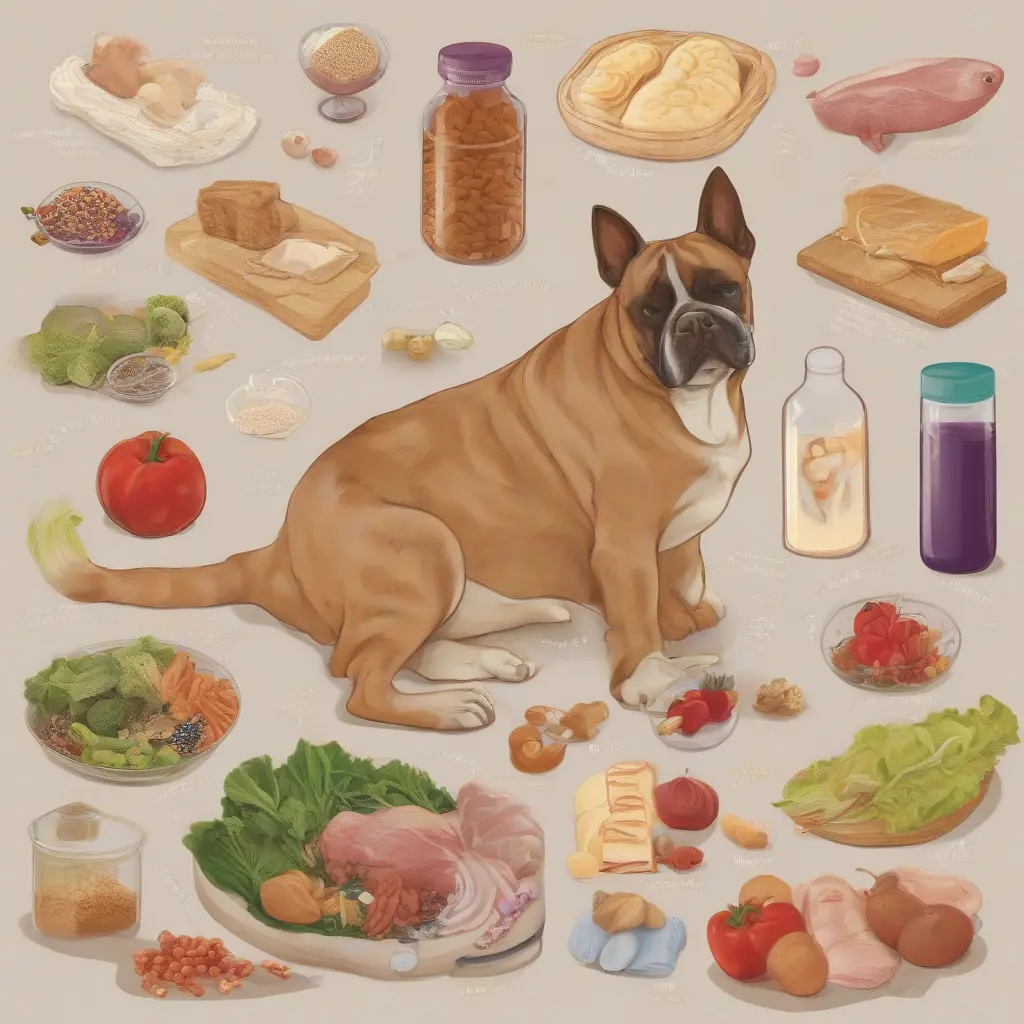
Ensuring proper nutrition for pregnant or nursing pets is crucial for the health of both the mother and her offspring. Pregnant animals undergo significant physiological changes, leading to increased energy and nutrient requirements. Similarly, nursing pets need sufficient nourishment to support lactation and ensure their puppies or kittens receive adequate milk. This guide will provide in-depth information on what to feed pregnant or nursing pets, how to adjust their diets, and the health benefits associated with proper nutrition during these critical periods.
Understanding Nutritional Requirements
Pregnant and nursing pets have unique nutritional needs that differ significantly from their regular diet. Increased calories, protein, vitamins, and minerals are vital to support the health of both the mother and her offspring. During pregnancy, a pet may require up to 50% more calories, especially in the last trimester, when fetal growth is most rapid. Similarly, lactating pets need a higher intake of nutrients to produce nutritious milk. Identifying the right balance of macronutrients ensures both the mother and her new-borns thrive.
The Importance of Protein
Protein plays a critical role in the diet of pregnant and nursing pets, as it’s essential for tissue growth and development. High-quality protein sources, such as meat, fish, and eggs, provide the necessary amino acids that support fetal development and milk production. For nursing pets, protein not only helps in maintaining their body condition but also ensures the milk is rich in nutrients that promote the healthy growth of the puppies or kittens. When selecting pet food during this stage, look for formulations specifically designed for growth or reproduction.
Essential Fatty Acids
Essential fatty acids, particularly Omega-3 and Omega-6, can significantly impact the health of pregnant and nursing pets. These fatty acids contribute to the development of the brain and eyes in puppies and kittens, ensuring they have the best start in life. Additionally, Omega fatty acids support the immune system and overall health of the mother. Including sources such as fish oil or flaxseed oil in their diet can help meet these nutritional requirements, promoting healthier offspring and a stronger maternal recovery post-birth.
Vitamins and Minerals
Vitamins and minerals are vital during pregnancy and lactation, as they assist in various bodily functions. For instance, calcium and phosphorus are crucial for bone development in puppies and kittens, while folic acid supports fetal growth. A well-rounded diet containing a variety of vegetables, fruits, and fortified kibble should meet these mineral and vitamin needs. However, consulting with a veterinarian about the appropriate supplements can provide additional assurance, especially for those pets with specific dietary restrictions or health concerns.
Hydration Is Key
Proper hydration is essential for pregnant and nursing pets, as it directly affects their health and the quality of milk produced. Pregnant animals may experience increased fluid needs, particularly as their bodies work hard to sustain the growing fetuses. Lactating pets require ample water intake to ensure milk production remains optimal. Always provide access to fresh, clean water, and consider incorporating wet food into their diet to help with hydration. Monitoring for signs of dehydration, such as lethargy or dry gums, can mitigate potential health issues.
Portion Control and Feeding Schedule
Adjusting portion sizes and feeding schedules is crucial for pregnant and nursing pets to ensure they receive adequate nutrition without overeating. Smaller, frequent meals can accommodate their increased caloric needs while preventing digestive distress. For pregnant pets, progressive meal increases should be implemented as the pregnancy progresses, especially in the last trimester. In the case of nursing pets, gradually increasing food intake while providing additional snacks will support their energy needs and milk production effectively.
What to Avoid Feeding
While there are many beneficial foods for pregnant and nursing pets, certain items should be strictly avoided. Foods high in sodium, sugar, or artificial additives can pose health risks. Additionally, raw or undercooked meats may harbor harmful bacteria that can adversely affect the mother and her young. Common human foods such as chocolate, onions, and grapes are toxic to pets and should never be included in their diet. Always check with a veterinarian about specific dietary restrictions tailored to the pet’s health.
Transitioning to a New Diet
If you need to transition your pregnant or nursing pet to a new diet, it’s essential to do so gradually to avoid gastrointestinal upset. Start by mixing a small amount of the new food with the current diet, slowly increasing the ratio of new food over the course of a week. This method allows the pet’s digestive system to adjust without stress. Proper planning ensures that the pet maintains adequate nutritional intake during this significant transition, supporting her health and that of her puppies or kittens.
Monitoring Health and Weight
Monitoring the health and weight of pregnant or nursing pets is essential during these periods. Regular veterinary check-ups can help assess the mother’s weight gain and nutritional uptake, ensuring she and her offspring remain healthy. Additionally, observe for any signs of discomfort, illness, or weight loss, as these may indicate dietary deficiencies. Maintaining a healthy weight through balanced nutrition impacts both the mother’s wellbeing and the successful development of her young.
Conclusion
Providing the right nutrition for pregnant or nursing pets is crucial for their health and the healthy development of their offspring. A balanced diet rich in protein, essential fatty acids, vitamins, and minerals, along with proper hydration, forms the foundation of their dietary needs. Adjusting portion sizes and being mindful of what to feed can lead to positive health outcomes for both mothers and their young. Regular monitoring and veterinary guidance will ensure that you are meeting their evolving nutritional requirements effectively.