
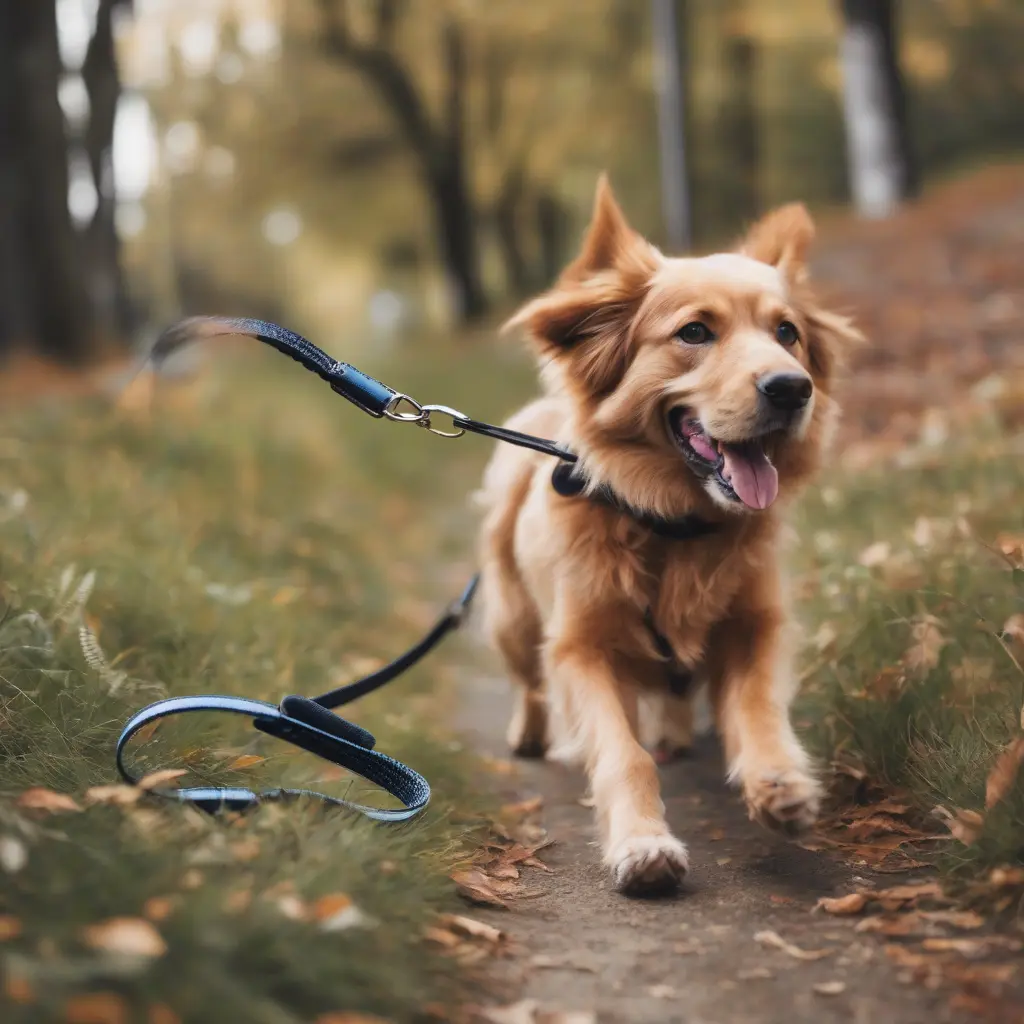
Choosing the right leash for your dog is crucial for ensuring their comfort and safety during walks, as well as enhancing your walking experience. With various materials, lengths, and styles available, the choice can be overwhelming. Understanding your dog’s personality traits, energy levels, and behavior patterns will help you select the most appropriate leash. This article will guide you through the key considerations in leash selection, ensuring you make an informed decision tailored to your dog’s unique needs.
Understanding Your Dog’s Behavior
When selecting a leash, it is essential to understand your dog’s behavior as different dogs react uniquely to different situations. For instance, a dog that loves to pull may benefit from a no-pull leash or a harness combination, while a calmer dog may do well with a standard leash. Observing your dog’s reactions to various stimuli during walks will help you determine their specific needs. Take note of how they interact with other dogs, people, and distractions, as these behaviors will greatly influence the type of leash that suits them best.
Dog’s Energy Level and Activity
A dog’s energy level and activity requirements play a significant role in leash selection. For high-energy dogs that require vigorous exercise, a longer, adjustable leash may allow for more freedom to explore while still being under control. Conversely, lower-energy dogs may be more suited to a shorter leash for easier management. Knowing how often and vigorously your dog needs to move can assist in choosing a leash that enhances their daily activities, ensuring they enjoy their outings without causing you stress.
Types of Leashes Available
Various types of leashes are available on the market, each designed for specific situations. Standard leashes are great for general use, while retractable leashes can offer flexibility but may pose challenges in busy areas. Chain leashes provide durability for strong pullers, while fabric leashes can offer comfort for both you and your dog. Evaluating the benefits and drawbacks of each type can help you pick a leash that complements your dog’s personality and behavior.
Choosing the Right Length
Leash length is another critical factor to consider for dog owners. Standard leashes typically range from four to six feet in length, making them suitable for most walks. However, a shorter leash may be best for training and areas with a lot of distractions. A longer leash can give your dog more freedom to roam during walks in open areas but may require more control. Assessing where you will be walking most often can help guide your choice in leash length.
Material Matters
The material of the leash is crucial for durability and comfort. Common materials include nylon, leather, and chain. Nylon leashes are lightweight and come in various colors but may not be as durable for strong pullers. Leather is robust and stylish, offering a comfortable grip but may require more maintenance. Chain leashes can withstand a lot of wear and tear but may be less comfortable to hold. Evaluating these materials based on your dog’s personality will help you choose a practical and enjoyable leash.
Consider Safety Features
Safety should always be a priority when selecting a leash for your dog. Many leashes come with added safety features such as reflective stitching for visibility during nighttime walks or padded handles for comfort. If your dog is prone to pulling or escape attempts, consider leashes that include a shock-absorbing feature to prevent injury or jerking. Prioritizing safety features will ensure a secure and comfortable walking experience for you and your furry companion.
Training and Behavior Modification
For dogs that require additional training, choosing a training leash may be beneficial. These leashes often have features designed to assist in behavior modification, such as double-handled designs that provide more control. Using a training leash can help reinforce good walking behaviors, especially for dogs with tendency to pull or lunge at distractions. Incorporating the right leash into your training regimen can facilitate better outcomes and improve the bond between you and your dog.
Trial and Error
Selecting the right leash may involve some trial and error, depending on your dog’s response to different styles. Don’t hesitate to test various options to see what works best for you and your pet. You may find that one leash is perfect for everyday walks, while a different one is better for specialized activities like jogging or hiking. Pay attention to how your dog reacts and feels with each leash choice to ensure a positive walking experience.
Budget Considerations
While it is tempting to simply choose the cheapest leash available, it’s crucial to consider the long-term value. Investing in a quality leash can save you money in the long run by reducing the need for replacements. Evaluate your budget alongside the quality and features you desire. Remember, a well-chosen leash tailored to your dog’s personality can enhance their comfort and safety, making it a worthwhile investment.
Conclusion
In conclusion, choosing the right leash for your dog requires careful consideration of their personality, behavior, and lifestyle needs. By understanding your dog’s unique traits, you can select a leash that ensures enjoyable and safe walks. Prioritizing quality, safety features, and appropriate lengths will enhance both your and your pet’s experience on outdoor adventures. Remember to reassess your leash choice if your dog’s behavior or needs change over time.