
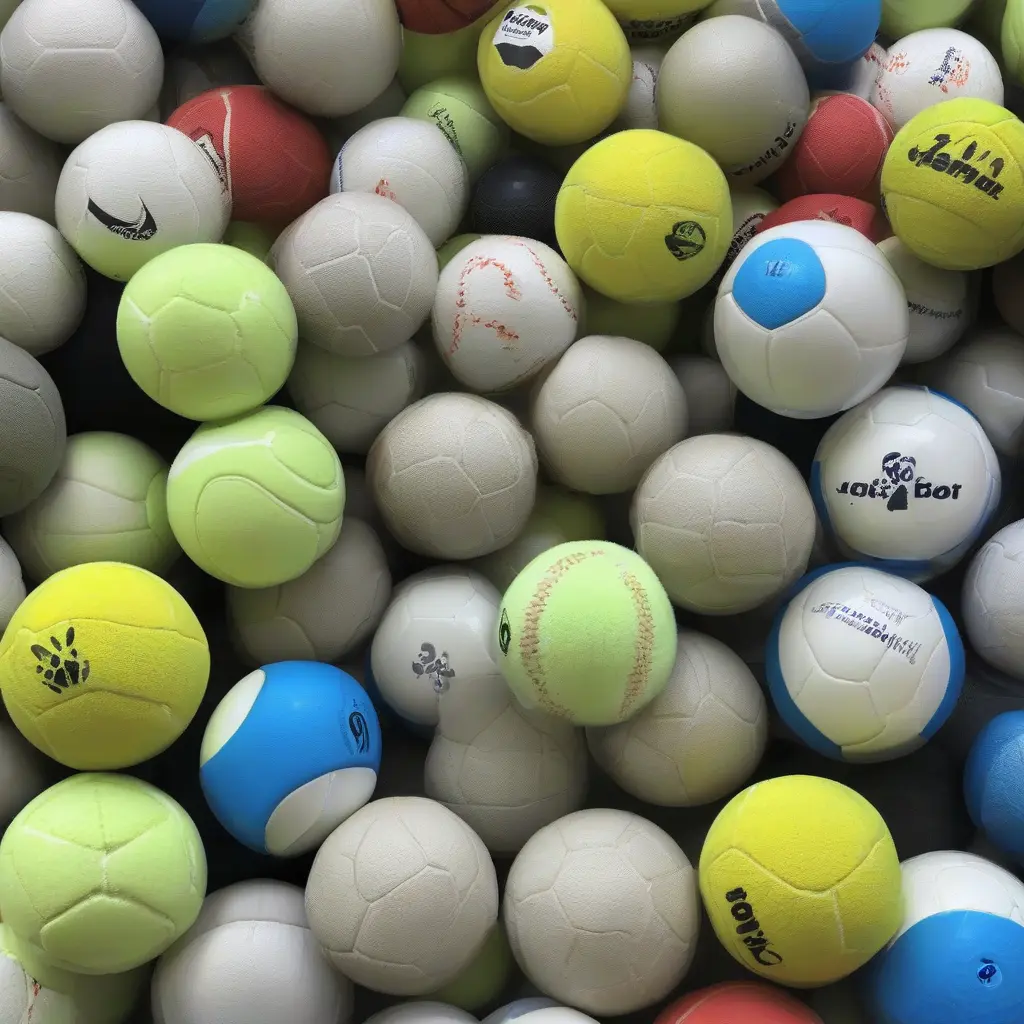
Selecting the right ball for your dog is essential to promote fun, engagement, and safety during playtime. With various sizes, materials, and designs available, it’s important to understand what will best suit your canine companion’s preferences and needs. Factors like breed, size, and chewing habits play a vital role in determining the right type of ball. In this guide, we will explore the different options you can choose from, providing valuable insights for pet owners to make the right choice for their furry friends.
Understanding Dog Sizes and Breeds
Knowing your dog’s size and breed is fundamental when selecting a ball. Small breeds like Chihuahuas require smaller, lightweight balls that fit comfortably in their mouths, whereas larger breeds such as Labrador Retrievers need bigger, sturdier options. It’s crucial to select a ball that is neither too small, which poses a choking risk, nor too large, which may discourage play. Assessing your dog’s size and age can help create an enjoyable experience that promotes physical activity and mental stimulation.
Types of Ball Materials
The material of the ball significantly impacts its durability and safety. Common materials include rubber, plastic, and fabric. Rubber balls are resilient and usually well-suited for aggressive chewers, while plastic balls may not hold up as well over time. On the other hand, fabric options provide a softer texture but may not be as durable for heavy chewers. Selecting the appropriate material based on your dog’s chewing behavior can provide a safer and longer-lasting play experience.
Durability of Balls for Dogs
Durability is a key factor in choosing a ball for your dog. High-quality options are designed to withstand extensive chewing and rough play. Balls made from heavy-duty rubber or reinforced materials generally last longer than those made from lightweight plastic or thin fabric. It’s essential to consider your dog’s chewing strength; larger, more vigorous dogs may require tougher balls to prevent quick destruction. Always monitor the condition of the ball during play to ensure it remains safe for your pet.
Safety Considerations for Dog Balls
Safety must always come first when selecting a ball for your dog. Ensure that the materials used are non-toxic, as dogs often chew and lick their toys. Avoid balls with small parts that could break off and pose a choking hazard. Additionally, stay away from toys that contain harmful chemicals. Selecting a well-made, sturdy ball that meets safety standards ensures that your dog can engage in playtime without risk of injury or health issues.
Interactive Balls for Mental Stimulation
Interactive balls designed for mental engagement can enhance your dog’s playtime. These toys often contain treat compartments or movement features that stimulate your pet’s natural instincts. They challenge your dog’s problem-solving abilities and help reduce boredom, especially for highly intelligent breeds. Incorporating interactive balls into your dog’s routine can contribute to a more active and satisfied pet, preventing destructive behaviors often associated with boredom.
Tennis Balls vs. Dog-Specific Balls
While tennis balls are a popular choice for many dog owners, they may not always be the best option. Tennis balls can wear down a dog’s teeth over time, leading to dental issues. Additionally, the material can harbor harmful chemicals that are not safe for regular chewing. On the other hand, dog-specific balls are designed with a focus on canine play, providing a safer alternative. It’s essential to evaluate the pros and cons of each type before making a choice.
Customizing Ball Sizes for Different Activities
Different activities require varying ball sizes to maximize enjoyment and efficiency. For example, a smaller ball may be ideal for indoor play, minimizing the risk of damage to your home. Conversely, larger balls work well in outdoor settings, allowing for more extensive rolling and bouncing. Tailoring the size of the ball to match the specific activity can significantly enhance play quality, ensuring that your dog remains engaged and happy.
Cleaning and Maintaining Dog Balls
Regular cleaning and maintenance of your dog’s balls are crucial for hygiene and longevity. The accumulation of dirt, saliva, and debris can lead to bacterial growth, posing health risks to your pet. Most rubber and plastic balls can be easily cleaned with soap and water, while fabric balls may require more attention or may not be machine washable. Establishing a routine for cleaning your dog’s toys can contribute to a healthier play environment and promote safer playtime.
Testing Out Different Balls
Finally, consider testing various types of balls to determine which your dog prefers. Dogs, like people, have distinct preferences, and what works for one dog may not be appealing to another. Observe your dog’s behavior and engagement levels with each ball. This trial-and-error approach will help you identify the best options that keep your furry friend entertained, active, and mentally stimulated.
Conclusion
Choosing the right ball for your dog involves careful consideration of size, material, and intended use. By understanding your pet’s preferences and behaviors, you can select a suitable option that enhances their play experience and ensures safety. Investing time in finding the perfect ball will lead to fun, engaging, and fulfilling playtime that benefits your canine companion’s physical and mental well-being.