
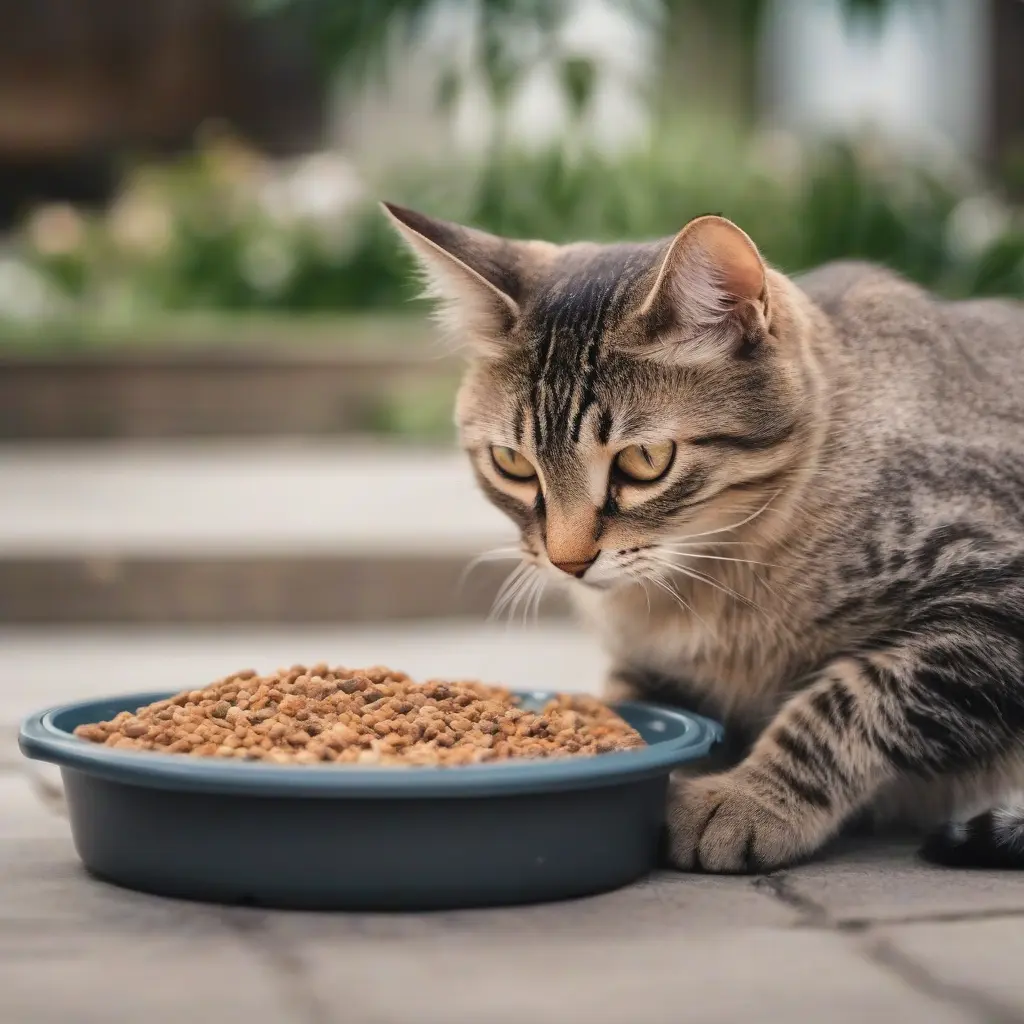
Feeding your cat is not just about filling their bowl with food; it involves understanding their specific nutritional needs based on their living environment. Indoor cats typically lead a sedentary lifestyle and may require a diet lower in calories to prevent obesity. In contrast, outdoor cats are more active and may need more calories to fuel their energy expenditure. This article explores the key differences in feeding guidelines for outdoor versus indoor cats, enabling cat owners to provide optimal nutrition tailored to their pet’s lifestyle.
Understanding Indoor Cats’ Nutritional Needs
Indoor cats generally engage in less physical activity compared to their outdoor counterparts, which impacts their dietary requirements. A diet formulated specifically for indoor cats can help maintain a healthy weight and prevent obesity-related issues. It’s essential to select high-quality cat food that is balanced and contains the right proportions of protein, fats, and carbohydrates. Additionally, indoor cats tend to have a slower metabolism, making it crucial to monitor their food intake closely to ensure they are receiving adequate nutrition without excess calories.
Nutritional Requirements for Outdoor Cats
Outdoor cats are more active, exploring their environment and often hunting. This increased activity level raises their caloric and protein requirements significantly. A nutrient-dense diet that contains high-quality protein is essential to support their muscle maintenance and energy levels. Outdoor cats can benefit from a higher fat content in their food, as this adds extra calories necessary for their active lifestyle. It’s also important to ensure they have access to fresh water, as outdoor cats may consume moisture from their prey, whereas indoor cats depend entirely on their diet for hydration.
Portion Control for Indoor Cats
For indoor cats, portion control is crucial to avoid overeating and weight gain. Measuring food servings can help maintain a balanced diet, where owners should adhere to the feeding guidelines provided on cat food packaging. Many indoor cats thrive on a routine, so establishing a consistent feeding schedule may also promote healthier eating habits. Treats should be given sparingly, and owners should avoid free-feeding to manage their indoor cats’ overall caloric intake effectively. Focus on high-quality, controlled portions to ensure they receive the correct nutrients without excess.
Feeding Techniques for Outdoor Cats
Outdoor cats may encounter various challenges while feeding, including competition from other animals and changes in their environment. Providing food in designated spots can help ensure they receive adequate nutritional intake without interruption. It’s beneficial to offer a balanced diet that may include both wet and dry food, which can help meet their hydration needs. Owners should also monitor their outdoor cats regularly to assess their body condition and energy levels and adjust their feeding regimen as necessary based on their activity levels and environmental conditions.
Impacts of Lifestyle on Feeding Habits
The lifestyle of a cat directly influences its feeding habits. Indoor cats tend to have more sedentary habits, leading to lower energy and calorie needs. This can result in less frequent meals and smaller portion sizes. Conversely, outdoor cats require more frequent meals due to their higher overall energy expenditure. It’s important for cat owners to understand these behaviors and adapt their feeding practices accordingly, ensuring each cat’s unique lifestyle is supported by a suitable diet to promote overall health and well-being.
Health Considerations for Both Types of Cats
Both indoor and outdoor cats have unique health considerations that should be addressed through their diet. Indoor cats may be predisposed to obesity and related health issues, such as diabetes, which necessitates a diet tailored to weight management. On the other hand, outdoor cats may face risks of parasitic infections and injuries, requiring attention to their nutritional needs for recovery and overall health maintenance. Regular veterinary check-ups and consultations can help determine the most suitable dietary plans based on individual health needs and lifestyle.
Common Myths About Cat Feeding
There are several misconceptions about feeding cats that need to be addressed. One common myth is that all cats require a meat-only diet, ignoring the need for balanced nutrients. While protein is essential, cats also need vitamins and minerals from various ingredients. Another myth suggests that indoor cats can eat as much as they want without consequence. This is misleading, as obesity remains a significant risk factor. Educating cat owners on these myths can promote healthier feeding practices and improve their pets’ overall health.
Feeding Supplementation and Treats
Whether indoor or outdoor, cats can sometimes benefit from supplementation in their diets, particularly if they have special health needs. For instance, adding omega-3 fatty acids can support skin and coat health, while specific vitamins may benefit aging cats. Treats should be considered as part of their overall calorie intake, and owners should choose options that are healthy and nutritious. It’s vital to read labels carefully and be mindful of portion sizes to ensure that treats do not compromise a balanced diet.
The Role of Regular Vet Check-ups
Regular veterinary check-ups play a crucial role in maintaining a cat’s health, regardless of whether they are indoor or outdoor pets. These visits allow for nutritional assessments, monitoring weight, and checking for any potential health issues that may arise from dietary habits. Vets can recommend appropriate diets, supplements, or changes based on the cat’s age, lifestyle, and health conditions. Engaging in open discussions with veterinarians about feeding practices will help cat owners make informed decisions that promote the long-term health of their pets.
Conclusion
Understanding the feeding guidelines for indoor and outdoor cats is essential for promoting their health and well-being. By recognizing their unique nutritional needs and lifestyle behaviors, cat owners can make informed decisions about their diets, ensuring optimal health outcomes. Regular veterinary visits and careful monitoring of their eating habits further contribute to maintaining a healthy lifestyle for cats, allowing them to thrive in their respective environments.