
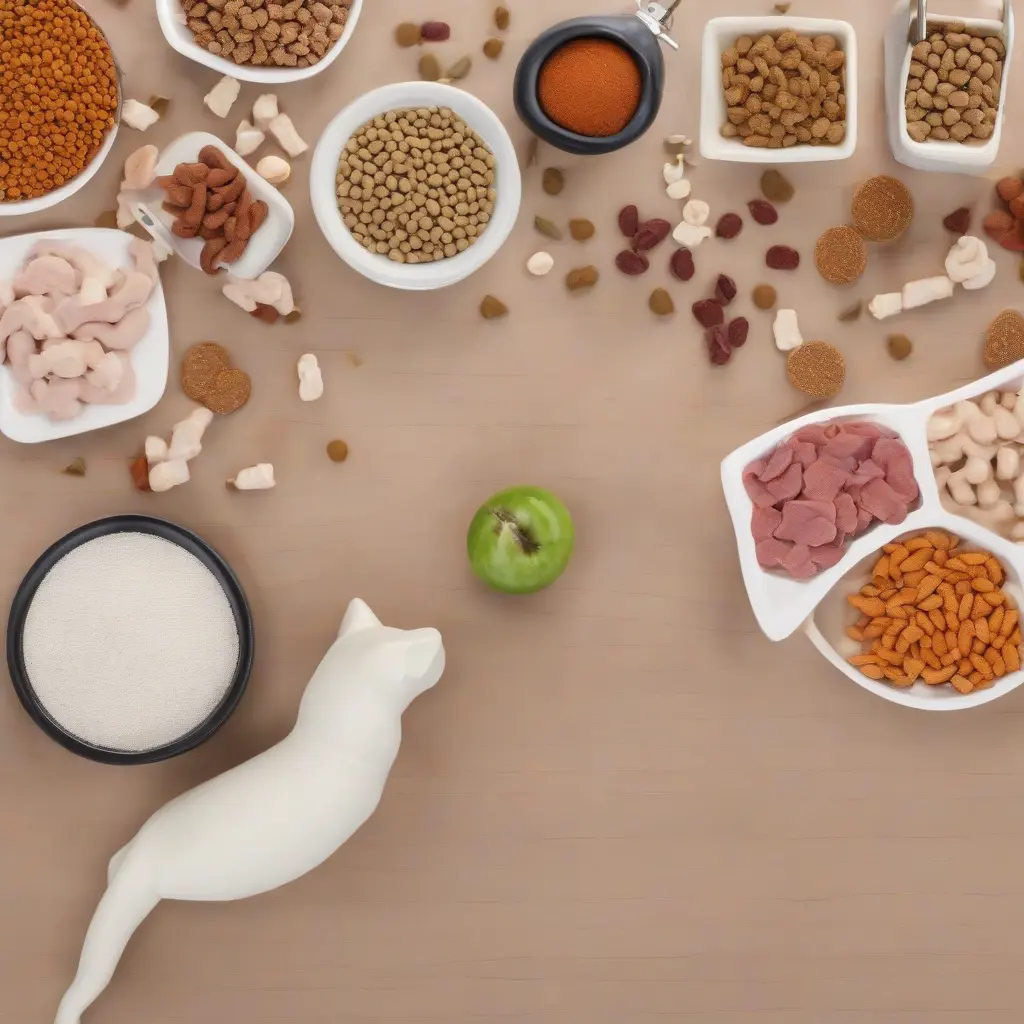
Choosing the right food for your pet is a crucial decision that can significantly impact their health and wellbeing. With numerous options available, pet owners often find themselves torn between homemade diets and commercial pet food. Each choice has its own benefits and drawbacks, and understanding these can help you make an informed decision. In this article, we will explore the advantages and disadvantages of both homemade and commercial pet food, considering various factors like nutrition, convenience, and cost.
Understanding Commercial Pet Food
Commercial pet food is often the go-to choice for many pet owners due to its convenience and variety. These foods typically come in dry, wet, or semi-moist forms and are formulated to meet the nutritional needs of pets. Most brands are required to follow specific regulations that ensure the food contains adequate levels of proteins, fats, vitamins, and minerals. However, not all commercial pet foods are created equal, and some may contain fillers, artificial preservatives, or low-quality ingredients that could be detrimental to your pet’s health.
Advantages of Homemade Pet Food
One of the primary benefits of homemade pet food is that it allows pet owners to have complete control over the ingredients. This transparency ensures that high-quality, fresh ingredients are used, which can promote better health and nutrition. Additionally, homemade diets can be tailored to meet your pet’s specific dietary needs, whether they have allergies or particular health conditions. Pet owners can also ensure that no fillers or harmful additives are included, leading to a generally healthier option in many cases.
Potential Risks of Homemade Pet Food
Despite the benefits, preparing homemade pet food carries certain risks. One of the primary concerns is nutritional balance; it can be challenging to ensure that homemade meals contain all the necessary nutrients that pets require. Deficiencies in vitamins, minerals, or amino acids can lead to long-term health problems. Additionally, preparing food at home requires time, effort, and knowledge about pet nutrition, which may not be practical for all pet owners. Ensuring food safety during preparation is also vital to avoid contamination.
Types of Commercial Pet Food
Commercial pet food is categorized into various types, including dry kibble, wet canned food, and raw diets. Dry kibble is popular for its convenience and cost-effectiveness, while wet food is often more palatable for pets and contains more moisture. Raw diets, on the other hand, emphasize feeding pets uncooked meat, vegetables, and fruits, mirroring a more natural diet. Each type offers unique advantages and disadvantages, including differences in cost, storage requirements, and preparation time, making it essential for pet owners to consider their pet’s preferences and health needs.
Nutritional Quality in Pet Food
When evaluating pet food, nutritional quality is paramount. Commercial formulas often undergo rigorous testing to meet the standards set by organizations such as the Association of American Feed Control Officials (AAFCO). However, the quality can vary significantly between brands. Homemade pet food can be superior in ingredient quality, but balancing nutrition effectively remains a challenge for many pet owners. Understanding how to mix proteins, carbohydrates, and fats correctly is crucial to ensuring that your pet receives a complete and balanced diet, either from a commercial source or homemade preparation.
Cost Considerations
Cost is another critical factor when choosing between homemade and commercial pet food. While homemade pet food may seem less expensive due to bulk ingredient purchases, the time and effort involved in preparation should be considered. Additionally, if nutritional deficiencies arise from homemade diets, this could result in additional veterinary costs. On the other hand, premium commercial pet foods can be costly, but they often provide convenience and peace of mind. Evaluating the long-term financial implications of both options is essential for making a sustainable choice.
Convenience and Time Commitment
The convenience of commercial pet food often outweighs that of homemade diets, especially for busy pet owners. Most commercial options are ready to serve, requiring minimal preparation. In contrast, homemade pet food necessitates planning, shopping for ingredients, cooking, and portioning, making it a more time-intensive choice. For those juggling work, family, and other commitments, the ease of grabbing a bag or can of commercial food can be highly appealing, while others might find joy and satisfaction in preparing meals for their pets from scratch.
Pet Allergies and Sensitivities
Pets can develop allergies or sensitivities to certain ingredients commonly found in commercial pet foods, such as grains or certain proteins. Homemade diets provide the advantage of customization, enabling owners to eliminate problematic ingredients and tailor meals based on their pet’s specific needs. However, it is crucial to conduct thorough research or consult a veterinarian when adjusting your pet’s diet, as eliminating too many ingredients could inadvertently lead to other nutritional deficits. Understanding your pet’s reactions is key to ensuring their overall wellbeing.
Ethical Considerations
Ethical considerations can also play a significant role in deciding between homemade and commercial pet food. Many pet owners are concerned about the sourcing and treatment of animals in commercial food production. Some brands prioritize ethically sourced ingredients and sustainable practices, while others may not maintain the same standards. By preparing homemade food, pet owners can actively choose humane, organic, and responsibly sourced ingredients. This not only impacts the pet’s health but also aligns with the owner’s values regarding food production and animal welfare.
Consulting Your Veterinarian
Regardless of the chosen option, consulting a veterinarian before making significant changes to your pet’s diet is crucial. A vet can provide valuable insights on your pet’s specific nutritional requirements and help identify any health issues that may be influenced by diet. They can also assist in devising a balanced homemade diet or recommend high-quality commercial brands. Ongoing veterinary check-ups will ensure your pet’s health is monitored, making adjustments easier as their needs evolve over time.
Conclusion
Ultimately, the choice between homemade and commercial pet food depends on individual circumstances, including your pet’s health, your lifestyle, and your knowledge of pet nutrition. Both options have their advantages and drawbacks. While some pet owners prefer the control and quality of homemade meals, others may prioritize the convenience of commercial products. Whatever path you choose, ensuring your pet receives a balanced and nutritious diet is paramount to their health and happiness.