
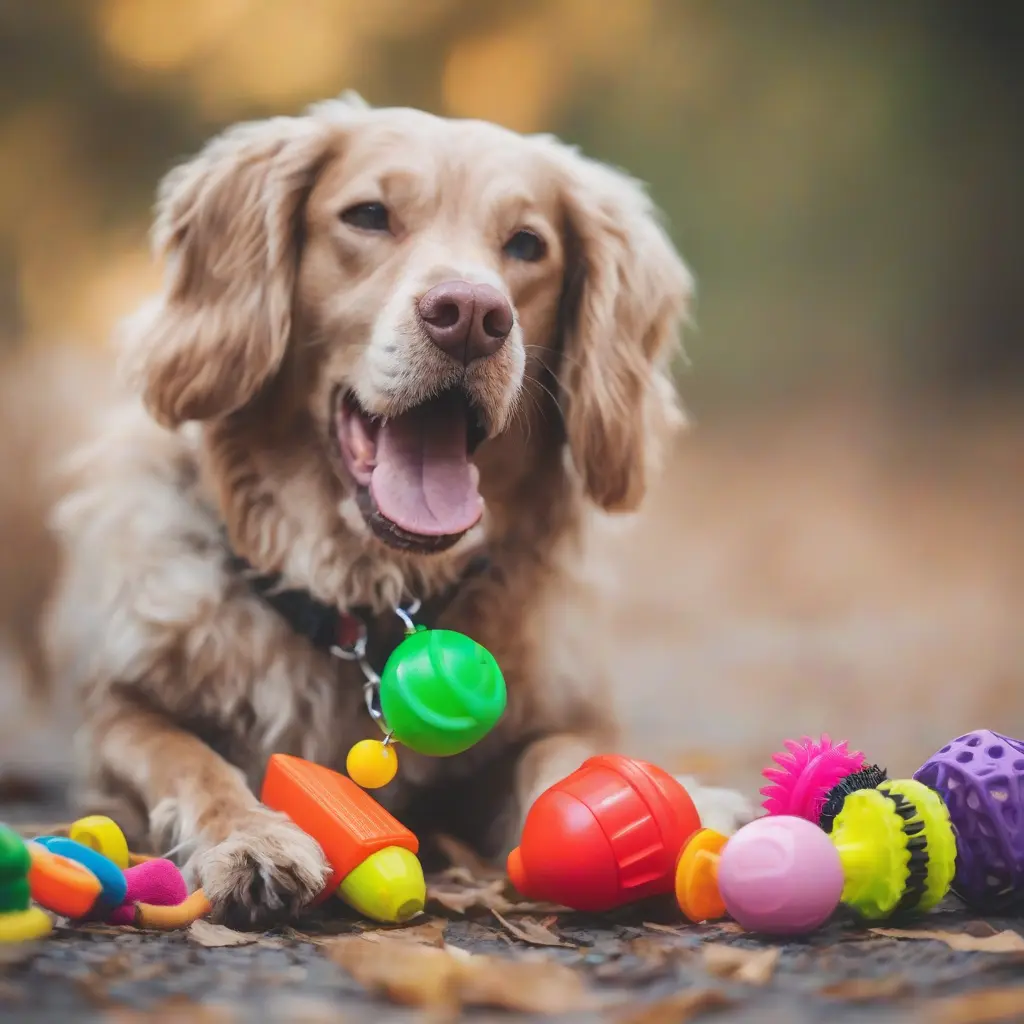
Choosing the right toys for your dog is essential for their physical and mental well-being. However, it’s equally important to know when to replace these toys to ensure your pet’s safety. Over time, toys can wear down, lose their effectiveness, or even become hazardous. This guide aims to help pet owners understand the factors that contribute to toy wear and tear, the signs indicating it’s time for a replacement, and some tips for keeping your dog’s playtime safe and enjoyable.
Understanding the Lifespan of Dog Toys
The lifespan of dog toys varies widely depending on materials, usage, and your dog’s chewing habits. Toys made from reinforced rubber may last longer compared to plush toys that can quickly become shredded. For instance, aggressive chewers often destroy toys more rapidly, making it essential for owners to select durable options. Regular assessments based on how a toy holds up during play can guide your replacement schedule effectively.
Signs Your Dog’s Toy Needs Replacing
Several signs indicate that your dog’s toy may need replacing. Look for any visible damage like frays, missing pieces, or cracks, which could pose choking hazards. Additionally, if the toy becomes significantly slimy, dirty, or emits a foul odor that can’t be cleaned, it’s likely time to retire it. Keeping an eye on your dog’s interaction with the toy can provide clues on wear and tear; if they lose interest, the toy may not be effective anymore.
The Importance of Safety in Dog Toys
Safety is paramount when it comes to your dog’s toys. Toys that are not in good shape can lead to serious health issues, such as choking or ingestion of harmful materials. Opting for non-toxic, durable materials can help mitigate these risks. Always follow the manufacturer’s guidelines about age recommendations or durability ratings to ensure you’re choosing safe options for your furry friend’s toys.
Tips for Maintaining Dog Toys
Maintaining your dog’s toys can extend their lifespan and enhance safety. Regularly inspect toys for wear, clean them to remove dirt and bacteria, and rotate toys to keep your dog engaged. Providing a variety of types, such as chew toys, interactive toys, and plush options, can also distribute the wear more evenly. A systematic approach to maintenance can help avoid premature replacements.
Recommended Replacement Schedule
While there isn’t a one-size-fits-all schedule for replacing dog toys, generally, plush toys may need replacing every month, while tougher rubber toys can last several months to a year. If the toy is showing significant wear, this schedule should be adjusted accordingly. Keep a lookout for changes in your dog’s behavior during playtime; if they seem frustrated or disinterested, it may be time for a change.
Benefits of Regular Toy Replacement
Regularly replacing your dog’s toys has numerous benefits, including keeping your pet mentally stimulated and physically active. New toys can re-engage their interest and challenge them in different ways, which contributes to their overall happiness. Additionally, replacing worn toys helps prevent potential health hazards and reinforces good behavior during playtime. A thoughtful approach to toy management can lead to a healthier, happier dog.
Environmental Considerations
As a conscientious pet owner, it’s worth considering the environmental impact of frequently replacing your dog’s toys. Opting for compostable or recyclable toys can reduce waste significantly. Look for toys made from sustainable materials or brands that offer recycling programs. Educating yourself on eco-friendly options allows you to care for your dog while also being mindful of your carbon footprint.
Customizing Your Dog’s Toy Selection
Each dog has unique preferences based on their breed, age, and energy level. Keeping this in mind allows you to customize their toy selection for maximal enjoyment and safety. Interactive toys can benefit energetic dogs, while calming toys might be suitable for anxious pets. Understanding your dog’s specific needs will help you make informed decisions about which toys to keep or replace regularly.
Conclusion
In conclusion, knowing when to replace your dog’s toys is crucial for their safety and well-being. Regular inspections, understanding the signs of wear, and maintaining a sustainable toy rotation can keep your pet happy and healthy. By putting these strategies into practice, you can ensure a safe and engaging playtime for your furry friend.