
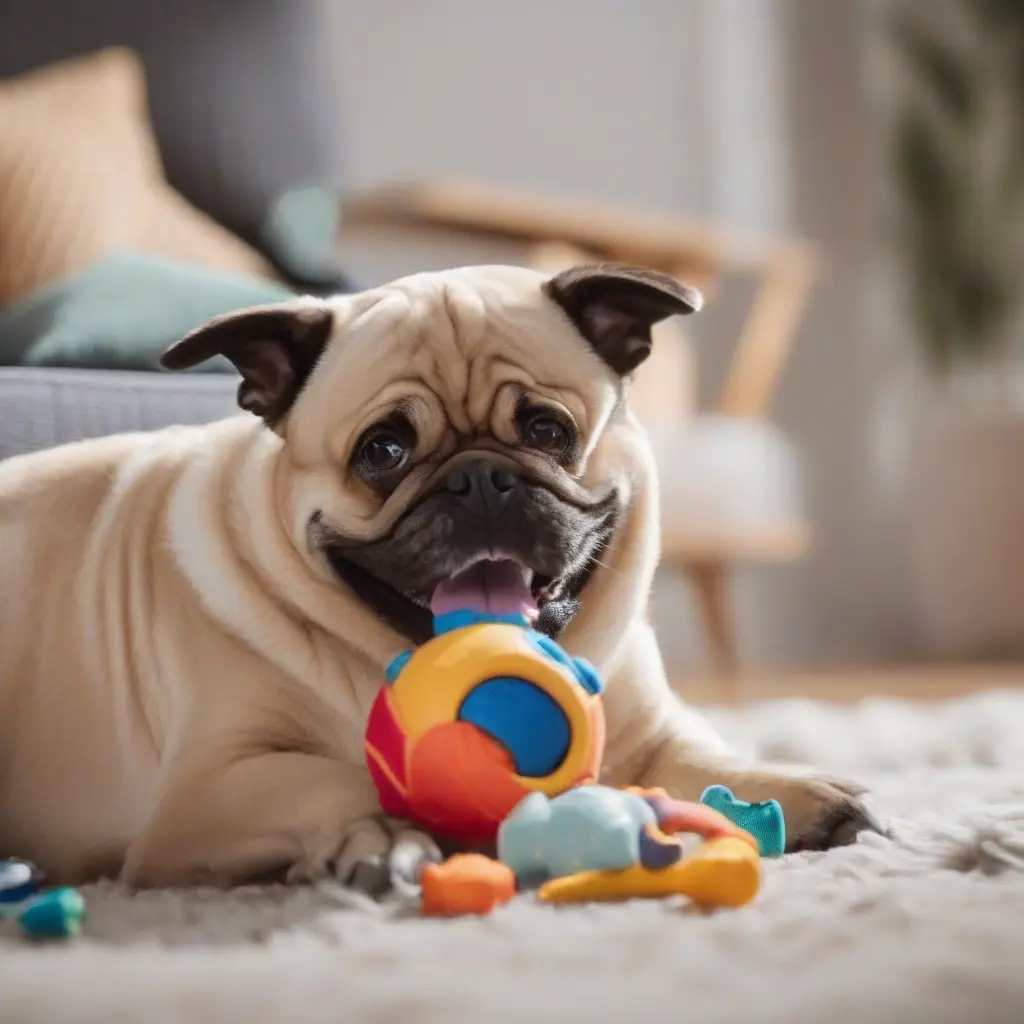
Understanding how pet toys impact behavior is essential for providing optimal care and enhancing the quality of life for pets. Different toys cater to the varied play styles of animals, influencing their physical health, mental stimulation, and social behavior. Owners can enhance their pets’ lives by selecting toys that engage their specific tendencies, whether it be chasing, chewing, or problem-solving. This comprehensive guide delves into the nuances of pet play styles and how the right toys can foster both happiness and well-being.
The Importance of Play for Pets
Play is crucial for pets, contributing to their emotional, social, and physical well-being. Engaging in play allows pets to exhibit natural behaviors such as hunting, exploring, and socializing. For dogs, playtime often fosters bonding and helps reduce anxiety, while for cats, it fulfills their instinctual need to stalk and pounce. Failing to provide adequate play opportunities can lead to behavioral issues, such as aggression or anxiety, underscoring the necessity of incorporating play into daily routines.
Understanding Different Animal Play Styles
Different pets have unique play styles influenced by their breed, age, and personality. For instance, some dogs may enjoy vigorous games of fetch, while others prefer puzzle toys that engage their minds. Similarly, cats may exhibit solitary play with interactive wands or group play with other cats. Recognizing these patterns helps pet owners choose toys that not only entertain but also cater to their pets’ inherent play preferences, promoting happier and healthier lives.
Choosing the Right Toys for Dogs
Selecting appropriate toys for dogs involves understanding their size, breed, and play style. Chewing toys, fetch toys, and interactive puzzles serve various physical and mental needs. Durable materials are essential for aggressive chewers, while softer toys may be suitable for gentle play. Additionally, interactive toys, such as treat-dispenser puzzles, can enhance problem-solving skills and reduce boredom, enriching their day-to-day lives.
Choosing the Right Toys for Cats
Cats require diverse and stimulating toys to satisfy their hunting instincts and avoid boredom. Toys that mimic prey, such as feather wands or laser pointers, can encourage active play. Puzzle feeders combine mealtime with entertainment, promoting mental engagement. Toys that allow for both solitary play and social interaction with humans or other pets can help keep cats stimulated and satisfied, supporting their overall mental health and well-being.
The Role of Interactive Toys
Interactive toys play a significant role in engaging pets’ minds and bodies. For dogs, toys that require them to retrieve or solve puzzles can stimulate mental activity and decrease destructive behaviors caused by boredom. For cats, interactive toys that mimic hunting movements or sounds can drive their predatory instincts. These toys not only provide engagement but also foster bond-building through joint play activities, enriching the human-animal relationship.
The Connection Between Toys and Behavioral Issues
Behavioral issues in pets often stem from lack of stimulation or boredom, which can lead to anxiety, aggression, or destructive behaviors. The right toys can mitigate these issues significantly. For example, a lack of chew toys for a teething puppy might result in chewing furniture instead. Providing suitable alternatives channels energy positively and reinforces good behavior, making it essential for owners to consider toys as part of behavioral management strategies.
The Benefits of DIY Pet Toys
Creating DIY pet toys can not only be budget-friendly but also enhance the emotional bond between owner and pet. Homemade toys can be tailored to suit a pet’s unique preferences, using safe materials and engaging designs. Items like old t-shirts turned into tug toys or cardboard boxes as climbing structures can stimulate play without excessive expense. Additionally, making toys can be a fun activity for pet owners, leading to creative ways to engage pets during playtime.
Safety Considerations When Choosing Pet Toys
Safety is paramount when selecting pet toys. It’s important to ensure that toys are made from non-toxic materials, free from small parts that could pose choking hazards. Regular inspections for wear and tear can prevent ingestion of harmful fragments. Choosing appropriately sized toys for the pet’s age and breed is crucial, as too small or too large toys might increase the risk of accidents. Prioritizing safety ensures that playtime remains a source of joy rather than a cause for concern.
The Impact of Age on Play Styles and Toy Preferences
As pets age, their play styles and toy preferences often evolve. Puppies and kittens are generally more energetic and prefer toys that allow for rough play, while older pets might favor gentler activities. Senior pets may benefit from softer toys that are easier on their gums and joints. Understanding these changes helps owners adapt their toy selection to meet the lifestyle and physical needs of their aging pets, ensuring ongoing engagement and happiness throughout their lives.
Social Play and Its Importance for Pets
Social play is an important aspect of pet behavior that fosters relationships among pets and between pets and their owners. Engaging in social play contributes to emotional health and bonding. Dogs, for example, often enjoy playing interactively with other dogs or humans, leading to improved social skills. Cats, too, can establish social dynamics through shared play experiences. Providing toys that promote social interaction encourages behavioral stability, enhancing the overall well-being of pets.
The Future of Pet Toys
The pet toy industry continues to innovate, incorporating technology to enhance play experiences. Smart toys that respond to pets or provide varying levels of challenge are becoming increasingly popular. These innovations aim to boost mental engagement and adapt to the pet’s learning curve. The future of pet toys will likely include more environmentally friendly materials and designs that cater not only to pet enjoyment but also to their health and well-being, fostering a more sustainable approach to pet care.
Conclusion
Understanding how pet toys influence behavior is essential for fostering a positive environment for pets. By selecting the right toys tailored to their play styles, owners can significantly enhance their pets’ mental and physical health. Recognizing the importance of play in the lives of pets allows owners to form deeper bonds and encourages a healthier lifestyle, ultimately contributing to a happier and well-adjusted pet.