
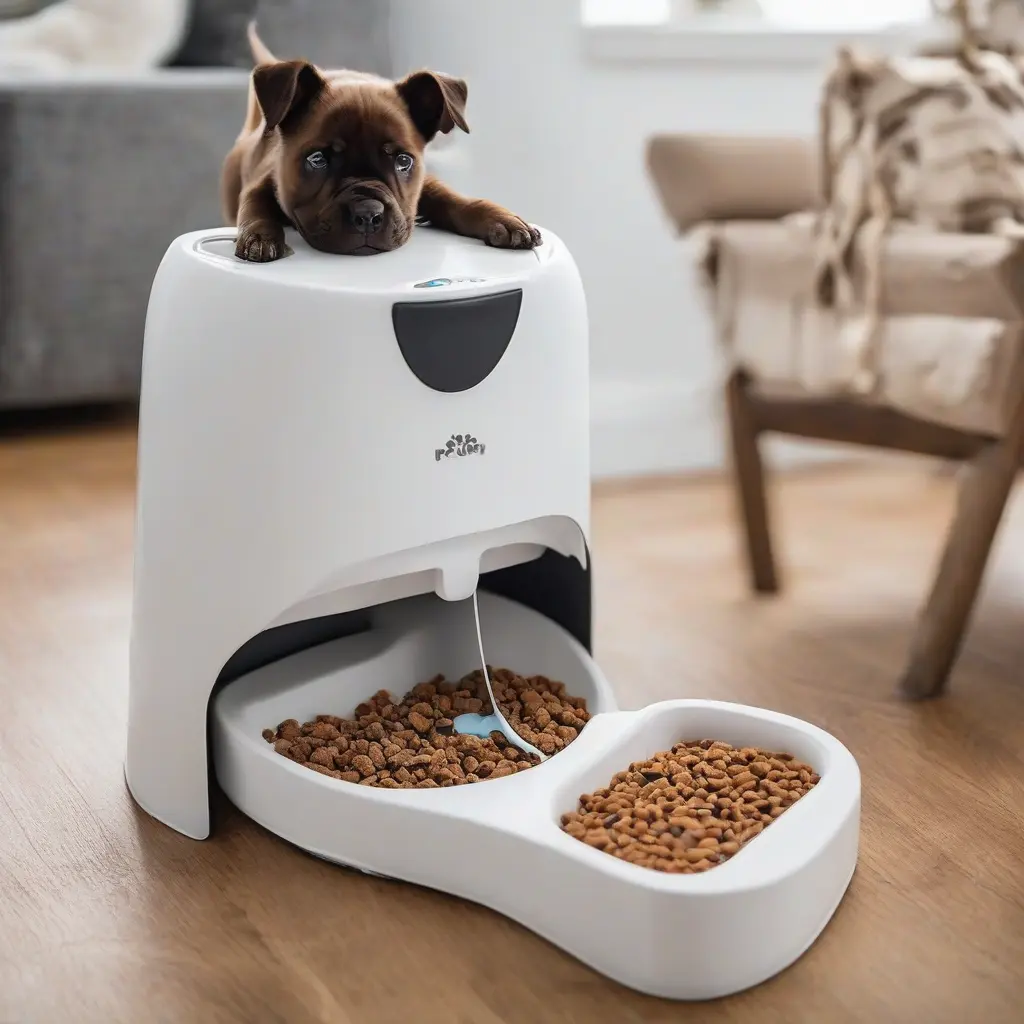
Finding the right automatic pet feeder for your dog involves understanding their specific eating habits, size, and dietary needs. With various models on the market, making a well-informed decision can optimize your pet’s feeding routine and encourage healthy eating behaviors. This guide will explore the essential features to consider, types of feeders available, and how to customize the feeding experience according to your dog’s unique preferences.
Understand Your Dog’s Eating Habits
Before selecting an automatic pet feeder, it’s crucial to analyze your dog’s eating habits. Some dogs prefer to graze throughout the day, while others may devour their food quickly during mealtime. Understanding whether your dog is a slow eater or a fast eater can help you choose a feeder that suits their pace. Additionally, consider their age, breed, and health issues such as obesity, which may require specific portion control. By observing and documenting these behaviors, you’ll have valuable insights to guide your purchase.
Types of Automatic Pet Feeders
Automatic pet feeders come in various types, primarily categorized into gravity-fed, programmable, and smart feeders. Gravity-fed models release food continuously, perfect for dogs that prefer to snack throughout the day. Programmable feeders allow you to schedule feeding times and portions, ensuring consistency and portion control. Smart feeders, equipped with Wi-Fi capabilities, enable you to monitor your pet’s feeding habits through a mobile app, giving you remote control over feeding times and quantities. Understanding these types helps identify which features are essential for your dog’s needs.
Feeder Capacity Considerations
When choosing an automatic pet feeder, examine the feeder’s capacity in relation to your dog’s eating habits and size. For small dogs, a feeder with a capacity of around 2-5 pounds may suffice, but larger breeds might require a model that holds 10 pounds or more. A larger capacity means less frequent refilling, which is ideal for busy pet owners. However, ensure the size aligns with the amount of food your dog consumes daily to prevent spoilage. Proper capacity ensures that your dog receives fresh food consistently while accommodating their eating schedule.
Portion Control Features
Portion control is a vital feature in an automatic pet feeder, especially for dogs susceptible to overeating or those requiring a specific calorie count to maintain a healthy weight. Many programmable feeders allow you to set exact portion sizes for each meal, which can help in regulating your pet’s diet. Some models offer customizable portion sizes ranging from a few grams to larger servings, giving you the flexibility to tailor the feeding experience. This feature supports weight management and encourages a balanced diet for your dog.
Ease of Cleaning and Maintenance
Opt for an automatic pet feeder that is easy to clean and maintain. Feeders with removable, dishwasher-safe bowls facilitate hassle-free cleaning, essential for preventing bacteria growth. Additionally, consider materials that do not retain odors or stains. A feeder with minimal nooks and crannies will also ensure the smooth removal of food debris. Regular maintenance enhances hygiene, promotes your dog’s health, and ensures that the feeder operates efficiently over time, providing a pleasant feeding experience.
Power Source Options
When selecting an automatic pet feeder, think about the power source options available. Battery-operated feeders offer the convenience of mobility, allowing placement anywhere without worrying about proximity to outlets. However, they require regular battery changes, which may not suit all pet owners. Alternatively, electric feeders usually provide consistent performance but are limited by the need for a power source. Some models combine both options, ensuring reliability. Assess your living situation to choose a power source that corresponds best with your lifestyle.
Smart Technology Integration
The rise of smart technology in pet feeding has revolutionized the way we care for our dogs. Smart feeders often include connectivity with smartphones, allowing you to manage feeding schedules, portion sizes, and even monitor your pet’s eating habits remotely. Features like voice recording can reassure your dog that you’re still nearby during mealtime. Such technology enhances feeding through customization, offering notifications to keep you updated on your pet’s feeding habits. Evaluate how much tech you need based on your lifestyle to select the best option.
Budget Considerations
Budget plays a significant role in the decision-making process when purchasing an automatic pet feeder. Prices can range widely, often reflecting the complexity of features offered. Basic gravity feeders are generally more affordable, while smart feeders with advanced functionalities can be quite pricey. It’s essential to analyze your needs and compare the features you value against your budget. While investing in a high-quality feeder can enhance your pet’s feeding experience, consider options that provide the best value for your specific requirements.
User Reviews and Recommendations
Before making a final decision, it’s beneficial to explore user reviews and recommendations from fellow dog owners. Genuine feedback can offer insights into the actual functioning of the feeder, ease of use, and durability. Check online platforms and pet care forums where users share their experiences, discussing both positives and negatives. Comparing various options based on user satisfaction can lead you to a feeder that has proven reliability in real households. This step is vital for ensuring that your investment meets expectations.
Testing and Adjusting the Feeder
Once your automatic pet feeder is set up, take time to test its function and adjust settings based on your dog’s behavior. Initially, monitor your pet’s reaction to the feeder and watch how they adapt to its operation. Some dogs may take time to feel comfortable with an automatic feeder, while others may embrace it quickly. Be prepared to fine-tune portion sizes and feeding schedules if necessary to better suit your dog’s eating habits. This ongoing observation allows you to create a positive feeding routine for your pet.
Conclusion
Choosing the best automatic pet feeder for your dog involves a careful analysis of their eating habits, preferences, and your lifestyle. By considering factors such as feeder type, capacity, portion control, and ease of cleaning, you can find an ideal solution. Integrating technology and adhering to a budget further refine your options. Ultimately, the right feeder can greatly enhance your dog’s feeding experience, promoting not only routine but also overall health and well-being.