
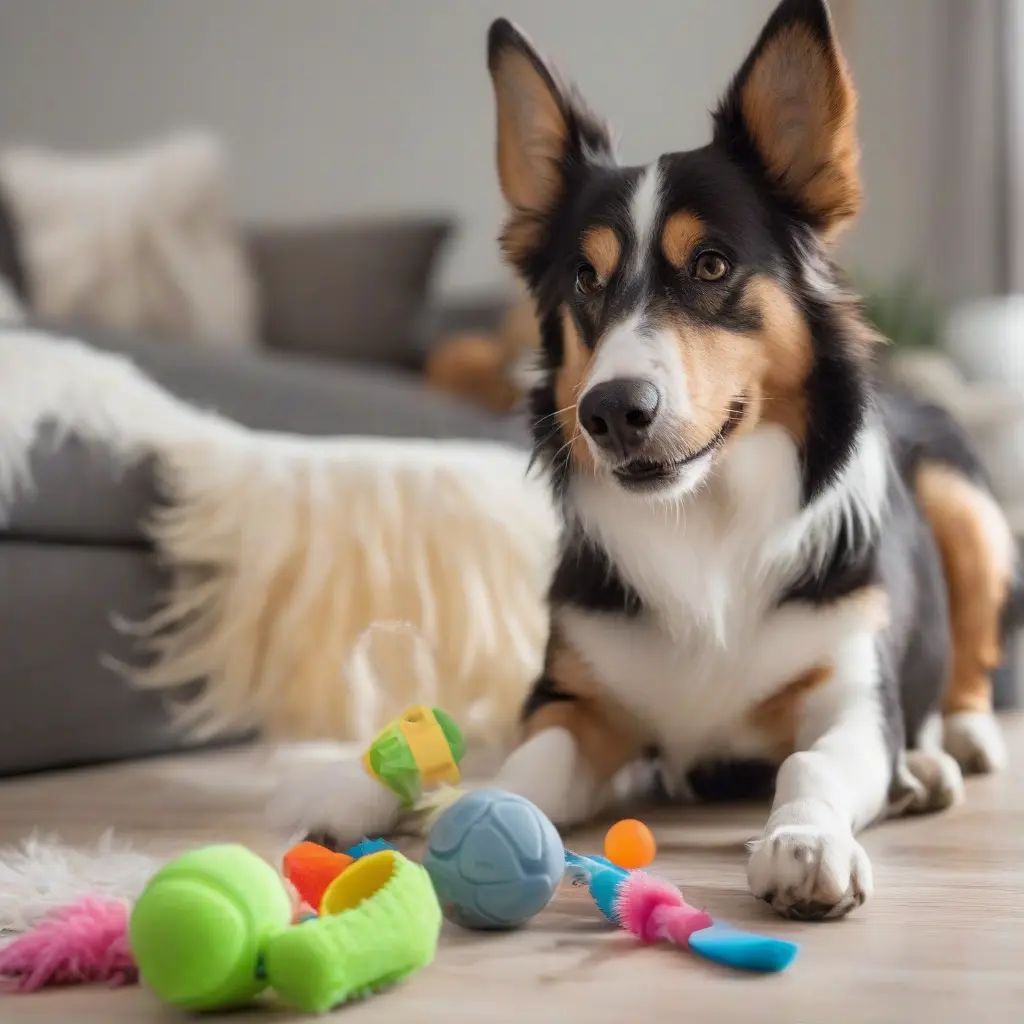
Keeping your pet’s toys clean and well-maintained is crucial for their health and safety. Over time, pet toys can accumulate dirt, bacteria, and harmful substances that may pose risks to your furry friends. Regular cleaning and maintenance not only help in ensuring your pets stay safe but also extend the lifespan of the toys. Understanding the best cleaning methods tailored to different types of materials can make the process easier. This article will guide you through effective techniques to clean and maintain your pet’s toys, ensuring they remain safe and sanitary.
Why Cleaning Pet Toys Is Important
Cleaning pet toys is essential to prevent the accumulation of harmful bacteria, dirt, and allergens. Pets often use their toys for chewing and playing, leading to substantial mouth contamination. Furthermore, many toys harbor germs that can lead to illnesses or infections in your pet. Regular cleaning minimizes these health risks and enhances your pets’ play experience. By ensuring a hygienic play environment, you also contribute to the overall well-being of your pet, preventing potential health issues that may arise from dirty toys.
Types of Pet Toys
Understanding the types of pet toys you have is essential for effective cleaning. Common varieties include rubber, plush, rope, and interactive toys, each having unique material properties. Rubber toys are typically durable and can withstand thorough cleaning, while plush toys may require gentler cleaning methods to avoid damage. Knowing the specific characteristics of each type allows for the selection of appropriate cleaning techniques, thus ensuring that the toys remain intact and safe for continued use.
How to Clean Rubber Toys
Rubber toys are generally easy to clean due to their durable material. Begin by rinsing the toy under warm, soapy water, using a mild dish soap. For stubborn stains or residue, a soft-bristle brush can help scrub the surface. After cleaning, thoroughly rinse the toy to remove all soap, then allow it to air dry completely before giving it back to your pet. This routine keeps rubber toys safe and hygienic while being resistant to damage from regular washing.
Cleaning Plush Toys
Plush toys require extra care to maintain their integrity during cleaning. Most plush toys can be machine washed, but it’s advisable to check the label for specific instructions. If machine washing is permitted, place the toy in a laundry bag and use a gentle cycle with mild detergent. For toys that are not machine washable, hand washing with soapy water is a safe option. Always ensure they are thoroughly dried afterward to prevent mold growth and ensure softness for your pet.
Maintaining Rope Toys
Rope toys are popular among dogs but can harbor bacteria due to their fibrous nature. To clean rope toys effectively, soak them in a solution of warm water and vinegar for at least 30 minutes. This not only disinfects the rope but also helps to remove any odors. After soaking, rinse thoroughly and allow it to air dry. Regular cleaning can prevent harmful bacteria buildup while keeping the rope toy fresh and enjoyable for your pet.
Cleaning Interactive Toys
Interactive toys often have complex designs that may require special attention. It’s critical to disassemble any detachable parts beforehand to ensure thorough cleaning. Hand wash the individual components using warm, soapy water, and follow up with a rinse. Avoid submerging electronic parts in water. Instead, use a damp cloth to wipe down the surface. Regular maintenance of interactive toys not only ensures they function properly but also keeps them hygienic for your pet.
Signs Your Pet’s Toys Need Replacement
Even with regular cleaning, some toys may reach the end of their life. Signs include excessive wear and tear, such as fraying fabric, cracked rubber, or missing pieces. Additionally, if a toy emits an unpleasant odor that cleaning cannot resolve, it may be time for a replacement. Observing your pets during playtime can also provide insights; if they show disinterest in old toys, it might indicate a need for new stimulation in their play routine.
Storing Pet Toys Properly
Proper storage of pet toys is as important as cleaning them. Designate a specific area for your pet’s toys to prevent clutter and reduce the risk of dirt accumulation. Consider using bins or baskets that are easy for you and your pet to access. Additionally, rotating toys periodically promotes engagement and minimizes the likelihood of toys becoming forgotten and dirty. This organized approach not only encourages regular play but also maintains the cleanliness of the toys.
Natural Cleaning Solutions
Utilizing natural cleaning solutions can be an effective and safe method to clean pet toys. Ingredients such as white vinegar, baking soda, and lemon juice possess antibacterial properties, making them suitable for sanitizing toys without the use of harsh chemicals. To create a cleaning solution, a mix of vinegar and water in equal parts is often sufficient. These natural solutions ensure that your pet’s toys are safe for them to use while maintaining a sanitary environment.
Frequency of Cleaning Pet Toys
The frequency of cleaning pet toys can vary based on usage and type. Ideally, rubber and interactive toys should be cleaned weekly, while plush and rope toys may require bi-weekly cleaning. For toys that are frequently chewed or slobbered on, a more frequent cleaning schedule can help maintain hygiene. Paying attention to how dirty the toys get after use will help you determine the best cleaning routine for your pets’ favorite playthings.
Conclusion
Keeping your pet’s toys clean and well-maintained is vital for their health and happiness. By following the outlined cleaning methods and understanding the importance of hygiene, you can ensure a safe and pleasant playing experience for your pets. Regular inspections and cleaning routines will not only prolong the life of the toys but also contribute to your pet’s overall well-being. Your commitment to maintaining a clean play environment reflects the care and love you have for your furry friends.