
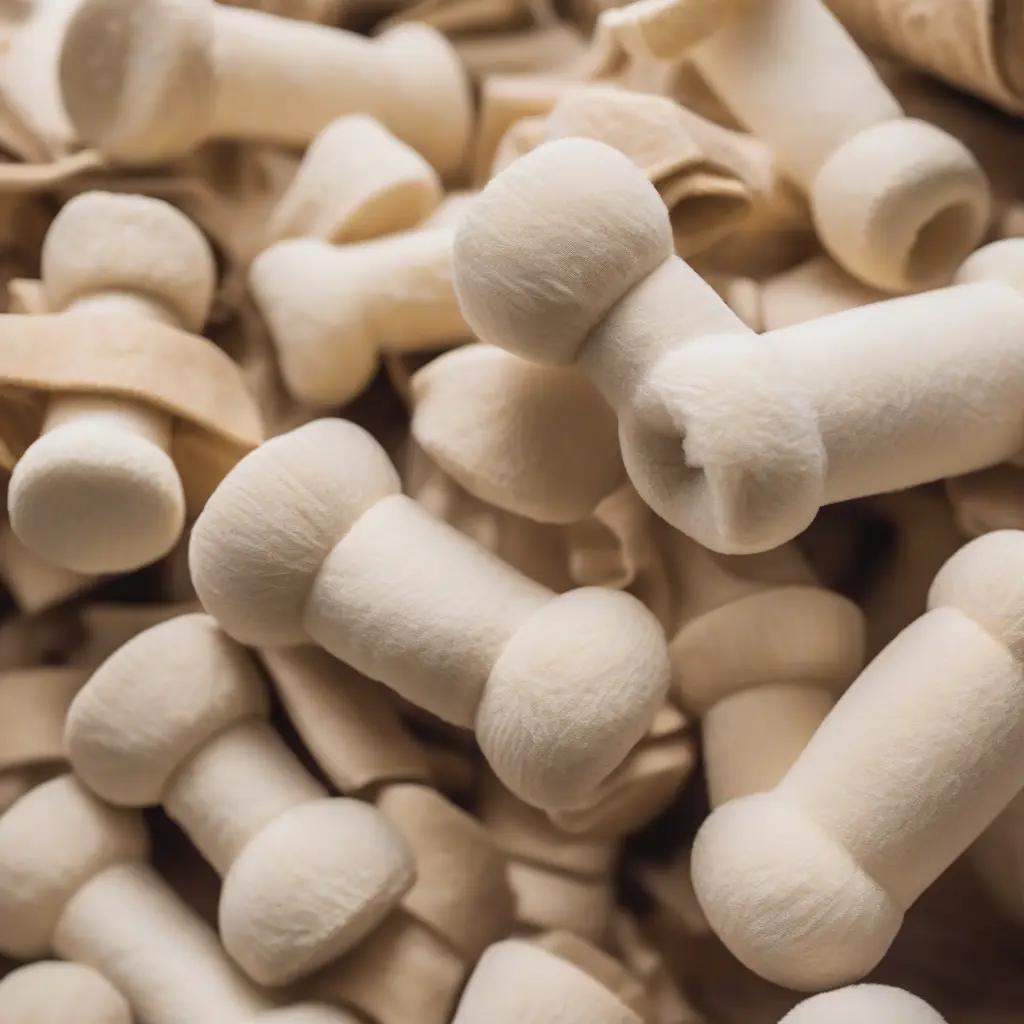
Rawhide dog toys are often marketed as a fun and enjoyable treat for pets, but they may pose significant health risks. This article delves into the dangers of rawhide, highlighting potential hazards associated with its consumption. Many dog owners remain unaware of the adverse effects rawhide can have on their canine companions. By understanding these risks, pet owners can make more informed decisions about dog toys and choose safer alternatives that promote better health and well-being for their pets.
What Are Rawhide Dog Toys?
Rawhide dog toys are typically made from the inner layer of cow or horse hides, processed into chews or bones. These products are designed for dogs to chew on, often to aid dental health and provide chewing satisfaction. However, not all rawhide is created equal. The manufacturing process often involves harsh chemicals and preservatives, which can be harmful to dogs. Additionally, the digestibility of rawhide can vary, impacting whether it poses a risk to your dog’s safety.
Digestive Risks of Rawhide
One of the significant concerns regarding rawhide dog toys is their potential to cause digestive issues. When dogs chew on rawhide, they may swallow large pieces that can be difficult to break down in their stomachs. This can lead to blockages, which might require surgical intervention to resolve. Symptoms of gastrointestinal distress often include vomiting, diarrhea, lethargy, or signs of pain. Pet owners must monitor their dogs closely when they consume rawhide products.
Choking Hazards Associated with Rawhide
Rawhide chews can pose significant choking hazards for dogs. When dogs chew on rawhide, they may break off large chunks that can become lodged in their throats. This can lead to choking incidents, which can be fatal if not resolved quickly. It is crucial for dog owners to supervise their pets while they are enjoying rawhide and to be aware of the size of the pieces that are being chewed. Opting for safer alternatives can greatly minimize these choking risks.
Allergic Reactions to Rawhide
Some dogs may suffer from allergic reactions to rawhide. Ingredients used in the production of rawhide, including preservatives, flavorings, or even the source material itself, can trigger allergies in sensitive dogs. Symptoms often include itchy skin, gastrointestinal upset, or respiratory issues. Identifying these reactions can be challenging, particularly if other foods or products are involved. It’s essential to consult with a veterinarian if you suspect your dog may be allergic to rawhide.
Chemical Contaminants in Rawhide
The processing of rawhide often involves the use of numerous chemicals, including bleach and preservatives, which may remain in the final product. These chemicals can be harmful to your pet’s health over time. Some studies have indicated that certain chemicals present in rawhide can contribute to long-term health issues, including kidney disease or cancer. Choosing organic or chemical-free alternatives can help mitigate these risks and promote your dog’s overall health.
Choosing Safer Dog Toy Alternatives
Considering the health risks associated with rawhide, pet owners may wonder what alternatives are safe for their dogs. Options such as rubber toys, durable nylon chews, or natural treats like carrots or sweet potatoes can offer a safer chewing experience. These alternatives not only satisfy a dog’s urge to chew but can also aid in dental hygiene without the associated risks of rawhide. Exploring these alternatives can significantly enhance your pet’s safety and enjoyment.
Understanding Dog Behavior and Chewing Habits
Understanding why dogs chew is essential when selecting appropriate toys. Chewing is a natural behavior that serves multiple purposes, including stress relief and dental health. Providing your dog with safe and engaging toys encourages healthy chewing habits. Observing your dog’s preferences can help in choosing toys that will keep them entertained and satisfied. By selecting suitable alternatives, you can support their natural instincts while avoiding harmful products like rawhide.
Veterinary Insights on Rawhide
Veterinarians frequently advise against the use of rawhide due to the potential health risks associated with these products. Many pet health professionals emphasize the importance of choosing safer alternatives for dog toys and treats. They often highlight that rawhide can lead to chronic health issues that may go unnoticed until significant damage has occurred. Consulting with your veterinarian can provide valuable guidelines on safe products for your dog, ensuring their health and happiness.
Effective Ways to Dispose of Rawhide
If you decide to rid your home of rawhide dog toys, it’s vital to dispose of them properly. Unlike some other pet products, rawhide can pose environmental concerns when discarded improperly. To ensure safety, it is advisable to place rawhide in an airtight container and dispose of it in the compost or trash. This prevents other animals from potentially consuming leftover pieces that may cause harm. Prioritizing safe disposal practices can contribute to a healthier environment.
The Importance of Monitoring Pet Toys
Monitoring your dog’s toys is crucial for their safety and well-being. Regular checks can help identify worn or damaged toys that may pose risks, especially if they are made from materials like rawhide. Keeping an eye on your pet’s chewing habits allows you to remove any dangerous toys promptly. Engaging in routine inspections not only protects your dog from potential health hazards but also ensures they have fun and safe toys to play with.
Conclusion
In conclusion, rawhide dog toys pose notable health risks that pet owners should be aware of before offering them to their pets. From digestive problems to allergic reactions, the dangers of rawhide far outweigh its perceived benefits. By prioritizing your dog’s well-being and opting for safer alternatives, can maintain their health and happiness. Educating yourself about toy selections and monitoring what your dog chews on will significantly enhance their overall quality of life.