
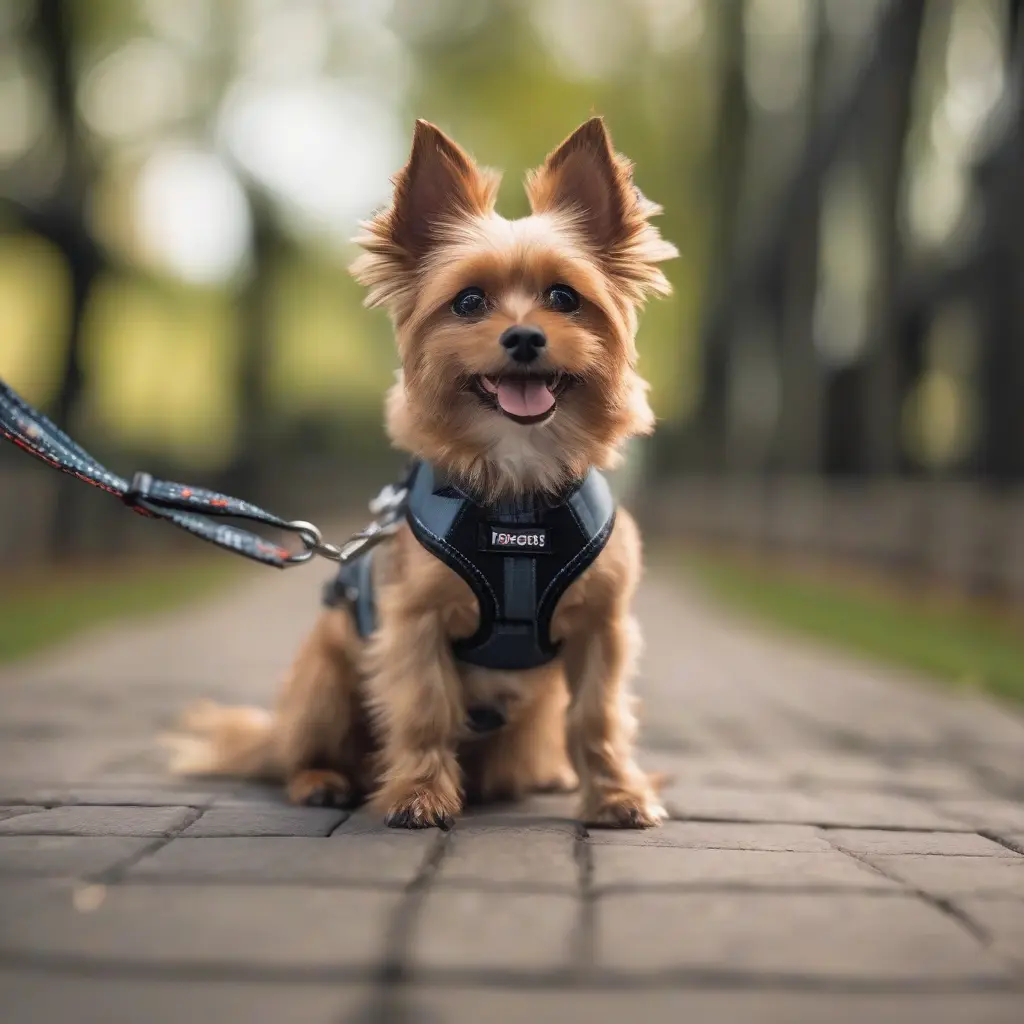
Choosing the right harness for your small dog is essential for ensuring their comfort, safety, and ease during walks and outings. A well-fitted harness not only prevents escape but also distributes pressure away from the neck, reducing the chances of injury. With various styles, sizes, and materials available, selecting the ideal harness can feel overwhelming. This guide provides expert advice to help you navigate the options and find the perfect fit that suits your small dog’s unique needs.
Understanding Harness Types
There are several types of harnesses available, each designed for specific purposes. The most common styles for small dogs include the traditional back-clip harness, which is suited for everyday walks, and the front-clip harness, ideal for dogs that pull. Additionally, no-pull harnesses can discourage this behavior, while vest-style harnesses offer extra comfort. Understanding the differences is vital before making a purchase, as it ensures you select a type that aligns with your dog’s walking habits and overall behavior.
Sizing Your Dog Correctly
Correctly sizing the harness is crucial for your dog’s comfort and safety. Begin by measuring your dog’s girth, which is the circumference of the widest part of their chest. Most manufacturers provide size charts, but always refer to these as guidelines since sizes can vary by brand. A well-fitted harness should have enough space to fit two fingers between the harness and your dog’s body, ensuring that it is snug enough to stay on without causing discomfort or restrict movement.
Material Matters
The material of the harness significantly affects durability and comfort. Many harnesses are made from nylon or neoprene, materials that are both lightweight and easy to clean. Look for harnesses with breathable fabric, especially for warmer weather, as well as those with padded layers to prevent chafing. Reflective elements can enhance visibility during nighttime walks, adding an extra layer of safety. Always consider the environment in which you walk your dog to ensure the material chosen can withstand wear and tear.
Ease of Use
When selecting a harness for your small dog, consider how easy it is to put on and take off. Some harnesses feature clips that can be cumbersome, while others have simple designs that can slip over the head or buckle up quickly. If you plan to use the harness often, a model that simplifies the process can make daily outings less stressful. For anxious dogs, choosing a harness that minimizes effort can help reduce their stress levels, making walks more enjoyable for both of you.
Adjustability for Comfort
Harnesses should offer adjustable straps to accommodate your dog’s unique shape and size. This feature allows for customization, ensuring a secure fit that doesn’t slip or chafe during activities. Look for harnesses with multiple adjustment points, as these enhance the fit and allow for growth, especially in young dogs. Ensuring your dog is comfortable means they are less likely to resist wearing the harness, making walks more pleasant and less challenging.
Style and Aesthetics
While functionality is key, style shouldn’t be overlooked. Harnesses come in various colors, patterns, and designs, allowing you to choose one that reflects your dog’s personality. Some brands even offer customizable options to include your dog’s name. A stylish harness can make outings more fun and can also serve as a conversation starter among dog lovers. Prioritizing both style and utility gives your small dog a fashionable appearance without sacrificing comfort.
Budget Considerations
Setting a budget before shopping for a harness is a wise approach. Prices vary significantly based on brand, material, and features. While it may be tempting to opt for cheaper options, investing in a quality harness can save you money in the long run by avoiding replacements and ensuring durability. Evaluate your lifestyle, activity level, and your dog’s needs when determining how much to spend. Sometimes, spending a little more upfront means greater satisfaction and value over time.
Brand Reputation and Reviews
Before making a purchase, it’s beneficial to research the brand’s reputation and check customer reviews. Established brands often have a history of quality and reliability, while user reviews provide insights into real-world use. Look for feedback specifically about fit, comfort, and durability, as these aspects are crucial for small dogs. Engaging with online communities or forums can also yield valuable recommendations tailored to your dog’s needs, leading to a more informed purchasing decision.
Safety Features to Look For
Safety features are essential when selecting a harness for your small dog. Ensure the harness has sturdy buckles that won’t easily break and is designed to prevent escape. Some harnesses also come with safety clips that attach to a leash, minimizing the risk of slipping out during walks. Consider reflective or visible elements for nighttime use to ensure your dog stays safe when visibility is low. Prioritizing safety can help you feel at ease during your outings.
Testing the Harness
Once you’ve chosen a harness, it’s crucial to test it on your small dog before fully committing to its use. Make sure your dog is comfortable and can move freely. Observe how they respond while wearing the harness—do they seem relaxed or do they try to remove it? Take them on short walks to see how it performs under real conditions. This initial test will help you determine if adjustments are needed or if another model might be more suitable for your dog’s comfort and behavior.
Conclusion
Selecting the best harness for your small dog involves careful consideration of various factors such as type, fit, material, and safety features. By understanding your dog’s needs and preferences, you can make an informed decision that ensures comfort and security during outings. Investing time in choosing the right harness will not only improve your walking experience but also foster a positive environment for both you and your furry friend.