
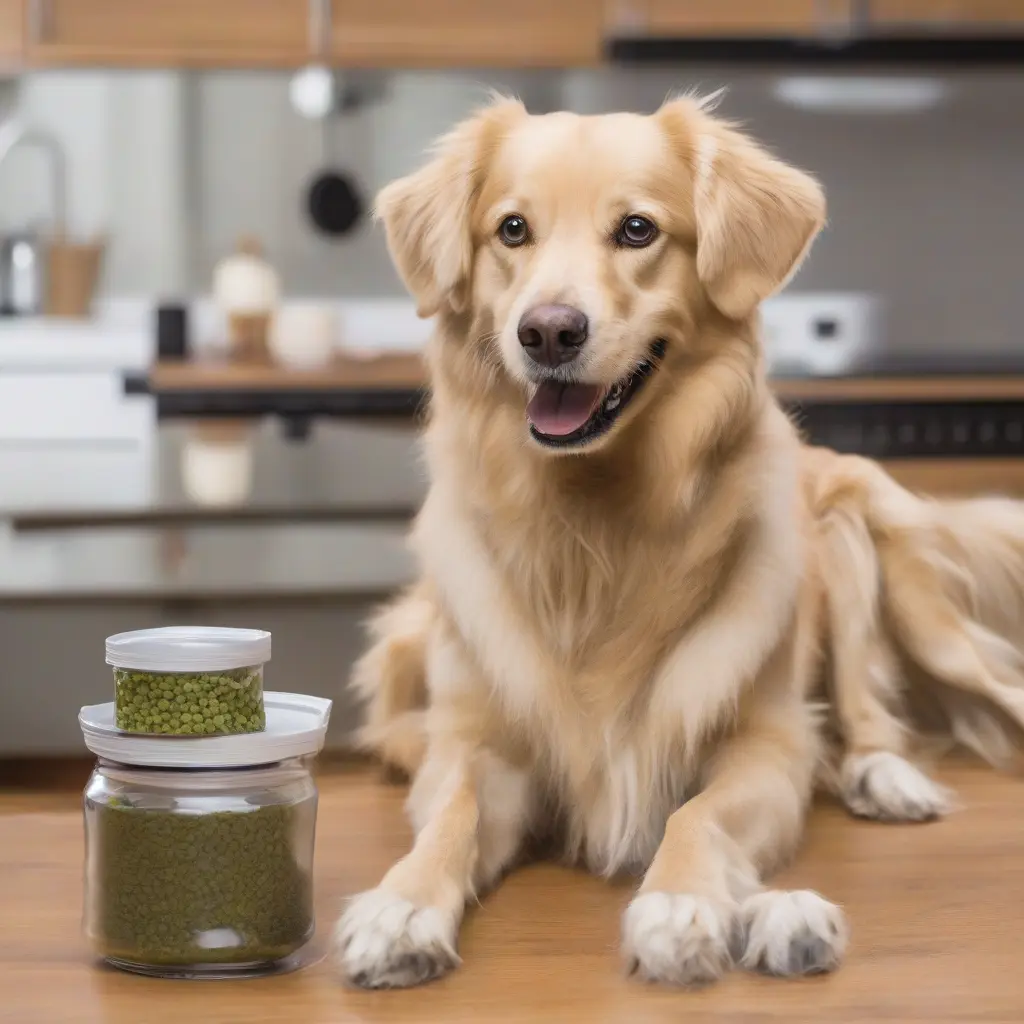
Transitioning your dog to a raw food diet can be a rewarding experience, but it requires careful planning and execution. As more pet owners explore the health benefits of raw feeding, understanding how to implement this diet safely becomes crucial. This guide outlines key steps and considerations to help ensure your dog adapts well to a raw food regimen. It also highlights common mistakes to avoid and provides insights into nutritional balance, allowing you and your furry friend to thrive on a raw diet.
Understanding the Raw Food Diet Basics
A raw food diet primarily consists of uncooked ingredients, including raw meat, fish, fruits, and vegetables. This diet is designed to mimic what dogs would naturally eat in the wild, thus potentially providing superior nutrition. The idea is to emphasize whole foods without the processing commonly found in commercial dog food. However, understanding what constitutes a balanced raw diet is crucial for your dog’s health, ensuring they receive the necessary proteins, fats, and essential vitamins essential for their well-being.
Consult Your Veterinarian
Before making any significant dietary changes, consulting a veterinarian is paramount. They can advise whether a raw food diet is suitable for your dog based on their specific health needs, age, and breed. Moreover, obtaining guidance on the types of raw foods to include can help create a nutritionally balanced plan. Additionally, your vet can provide essential recommendations on food safety and any supplements that may be necessary to complement the new diet.
Research and Plan the Transition
Thorough research is essential before transitioning your dog to a raw food diet. Educate yourself on various raw diets, such as BARF (Biologically Appropriate Raw Food) or prey model diets, to determine which arrangement best suits your canine companion. Establishing a meal plan that outlines the appropriate proportions of proteins, fats, and carbs will help streamline the transition process. Planning aids in keeping your dog’s diet balanced and ensures you aren’t overwhelming them with sudden changes that could upset their digestive system.
Gradual Introduction of Raw Food
A gradual approach to introducing raw food is vital for reducing digestive upset. Start by incorporating small amounts of raw food into your dog’s existing diet. You might begin with about 20% raw food mixed with 80% of their regular meals, gradually increasing the raw portion over time. This slow introduction helps your dog’s digestive system adjust and allows you to monitor their response. Keeping an eye on any changes in stool or behavior during this transition can provide valuable feedback on how well they’re adapting.
Monitor Your Dog’s Health Progress
Upon transitioning to a raw food diet, observing your dog’s health closely is essential. Regularly check for signs of improvements, such as increased energy levels, better skin condition, and healthier coats. Consulting your vet for periodic health checks during the transition can help track any issues that arise, whether nutritional deficiencies or digestive problems. Making necessary adjustments based on your dog’s reactions allows for a more customized approach, improving their overall health and happiness on the new diet.
Balance Nutrients in a Raw Diet
Ensuring a balanced nutrient intake is crucial when switching to a raw food diet. Dogs need proteins for muscle health, fats for energy, and carbohydrates for digestive health. Essential vitamins and minerals must also be included to prevent deficiencies. Using a variety of protein sources, such as beef, chicken, and fish, will help achieve nutritional balance. It’s also advisable to consider adding organ meats and ground bones to enrich the diet, providing not just essential nutrients but also mimicking a more natural intake.
Be Aware of Food Safety Practices
Food safety is an essential aspect of raw feeding, as raw meats carry potential bacterial risks. To maintain hygiene, always wash your hands and sanitize surfaces after handling raw ingredients. Store raw food in appropriate conditions to prevent spoilage and contamination. Moreover, be cautious about sourcing ingredients from reliable suppliers to mitigate health risks. Adhering to food safety practices will minimize risks related to bacteria and ensure a healthy feeding environment for your dog.
Avoid Common Mistakes During Transition
Making common mistakes during the transition can hinder your dog’s adaptation to a raw diet. One frequent error is making too sudden of a change, which can lead to digestive upset. Another is failing to achieve a balanced nutrient profile, resulting in deficiencies. Skipping the research phase can also lead to improper food choices. Take your time to learn from experienced raw feeders or consult nutritional guidelines to avoid these pitfalls. Patiently navigating the transition will yield better health outcomes for your dog.
Consider Supplements for Nutritional Gaps
Sometimes, transitioning to a raw diet may create nutritional gaps that can be addressed through supplements. Omega fatty acids, probiotics, and multivitamins can boost your dog’s nutrition, assisting in overall health maintenance. It is also helpful to consult your veterinarian for recommendations on high-quality supplements that are safe and effective. Tailoring your dog’s diet with appropriate supplements can round off any deficiencies, ensuring they receive comprehensive nutrition complementary to their raw food diet.
Being Patient and Observant
Transitioning your dog to a raw food diet requires patience and keen observation. Every dog adjusts at their own pace, so it’s important to be prepared for a gradual process. Monitor their behavior and health closely, as any signs of discomfort should prompt a discussion with a vet. Additionally, being patient allows your dog to acclimate without stress. Over time, their digestive system will adapt, leading to a healthier lifestyle on a raw diet, provided the transition is done thoughtfully and carefully.
Conclusion
Transitioning your dog to a raw food diet can lead to improved health and well-being when approached thoughtfully. By understanding the raw food basics, consulting your vet, planning a gradual transition, and monitoring health closely, you can ensure your dog adapts successfully. Always prioritize food safety and nutritional balance while being patient throughout the process. With commitment and care, you can foster a positive dietary change that benefits your furry friend in the long run.