
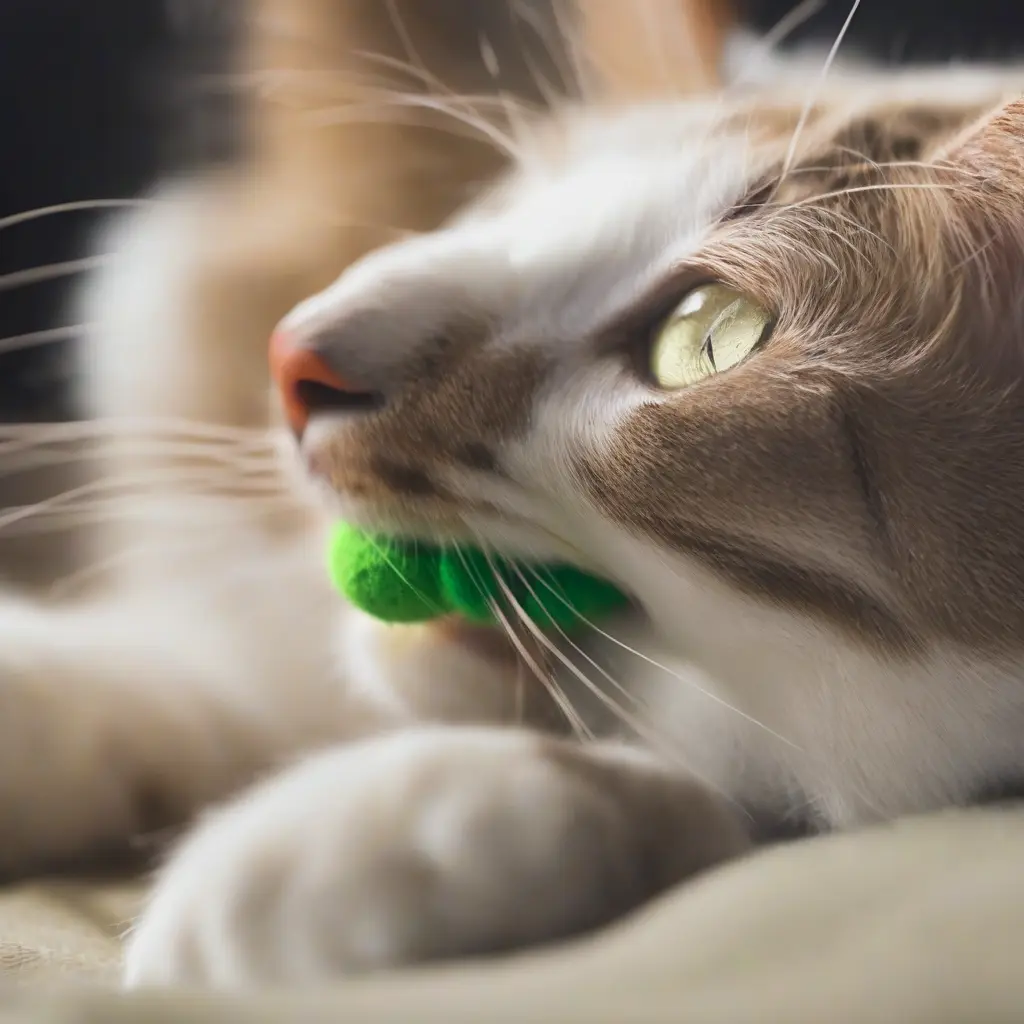
Catnip toys have long been a staple in households with felines, captivating cats with their unique blends of scent and playfulness. But what is it about these toys that evokes such strong reactions from our furry friends? The phenomenon can be attributed primarily to the chemical compound nepetalactone found in catnip, which affects roughly two-thirds of cats. This article delves into the science behind catnip toys, exploring their effects on cats, the reasons behind their appeal, and other factors that contribute to feline enjoyment.
What is Catnip?
Catnip, or Nepeta cataria, is a herbaceous plant belonging to the mint family. The plant features small, lavender-colored flowers, and its most intriguing characteristic is the compound nepetalactone, found in its leaves and stems. This compound is volatile and released when the plant is crushed or damaged. The scent is known to elicit a range of behaviors in cats, including rolling, rubbing, and heightened playfulness. Not all cats are affected by catnip; sensitivity to this herb is inherited genetically, affecting approximately 50–75% of the feline population.
How Catnip Affects Cats
When cats encounter catnip, the nepetalactone interacts with receptors in their nasal tissue, triggering a series of behavioral changes. This interaction leads to a temporary euphoric state, characterized by increased playfulness and activity levels. The effects usually last for about 10 to 15 minutes before cats become desensitized to the herb. After this period, it may take a while for them to respond again, creating a cycle of excitement that can keep your cat entertained and engaged. While most cats exhibit positive responses, some may remain indifferent to catnip altogether.
Benefits of Catnip Toys
Incorporating catnip toys into your cat’s playtime can stimulate their natural hunting instincts and provide mental and physical enrichment. The effects of catnip can encourage cats to engage in healthy play behavior, which is essential for their overall well-being. Additionally, catnip can alleviate boredom, potentially reducing destructive behaviors that arise from a lack of stimulation. These toys can also serve as a useful tool for social bonding between pets and their owners, as they foster interactive play, creating a deeper connection between cats and their humans.
Types of Catnip Toys
Catnip toys come in various forms, each designed to appeal to a cat’s natural behaviors and preferences. Traditional plush catnip toys are soft and often shaped like mice or fish, inviting cats to pounce, bite, and carry them around. Other options include catnip-stuffed balls, scratching pads, and even interactive puzzles that incorporate the herb. For cats that prefer a more natural approach, dried catnip can be sprinkled on scratching posts or other toys, making it a versatile option. The diverse types cater to different feline personalities, ensuring every cat can find joy in catnip.
Are All Cats Affected by Catnip?
Interestingly, not all cats react to catnip, as sensitivity to the plant varies among individuals. Genetic predisposition plays a significant role in whether a cat will respond positively to catnip; if a cat’s parents were not affected, it is likely their offspring will not be either. Age may also influence reactions, with young kittens generally showing little to no interest. However, as cats mature, their reactions may change. This variability means that cat owners should identify their pet’s preferences and try various toys or alternatives if they do not exhibit interest in catnip.
Health Considerations
While catnip is generally safe for cats, moderation is essential. Excessive exposure might lead to mild gastrointestinal upset in some cats, so it’s wise to monitor their responses and adjust accordingly. Additionally, catnip is non-addictive and does not pose any long-term risks to a cat’s health. However, pet owners should ensure that their cats enjoy these toys in a safe environment, free from choking hazards or substances that could be harmful. Regular check-ups with a veterinarian reinforce responsibility in a pet owner’s commitment to their cat’s health and happiness.
Alternatives to Catnip Toys
For cats who do not respond to catnip, alternative herbs and toys can stimulate their playfulness and curiosity. Alternatives such as silver vine and valerian root have been found to elicit similar reactions in some cats. Additionally, engaging toys, such as laser pointers and feather wands, can provide excitement and exercise. Interactive play is crucial, and offering varied stimuli, from puzzles to climbing structures, can help maintain a cat’s interest and reduce boredom. Exploring different options ensures that every cat can enjoy fulfilling playtime experiences.
How to Introduce Catnip Toys to Your Cat
Introducing catnip toys effectively involves observing your cat’s behavior and preferences. Start by selecting a few different types of catnip toys to gauge your cat’s reaction. Present the toy in a calm environment to help reduce overwhelm. Initially, you might even rub the toy between your hands to release the scent, facilitating the cat’s interest. Monitor their response, and if they react positively, continue providing access to the toy during play sessions. Always allow some downtime between sessions to prevent desensitization, ensuring that the novelty of the toy remains intact.
Conclusion
In conclusion, catnip toys serve as a delightful and stimulating addition to your cat’s playtime. Although not every cat is affected by catnip, those who are can enjoy the mental and physical benefits these toys provide. Understanding the science behind catnip and its impact on feline behavior can enhance your pet’s quality of life. By exploring various types of toys and alternatives, and introducing them thoughtfully, cat owners can help ensure their furry companions remain happy, engaged, and active.