
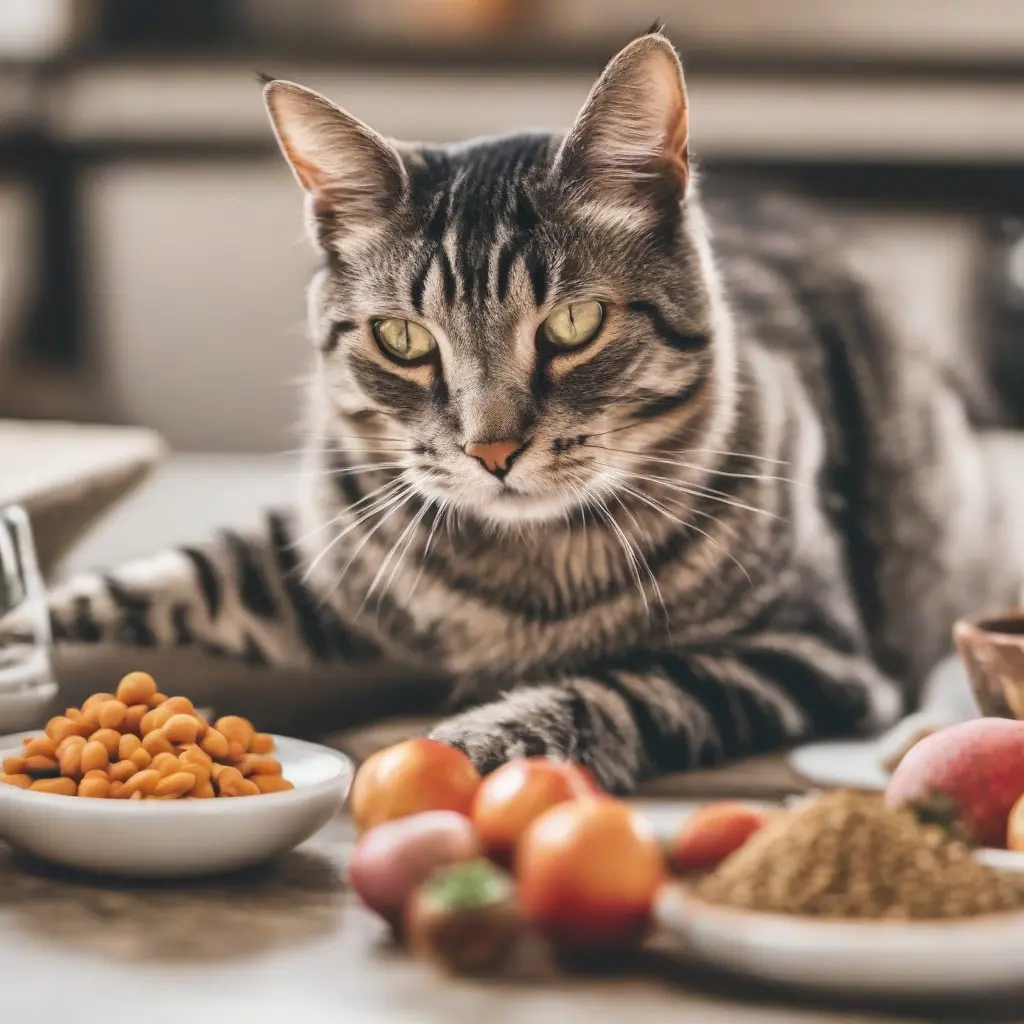
Understanding your cat’s nutritional needs is essential for their health and longevity. As cats age, their dietary requirements change significantly, impacting their energy levels, weight management, and overall vitality. Tailoring their diet accordingly can help prevent health issues and enhance their quality of life. From kittens to senior cats, recognizing what nutrients and food types are appropriate can ensure that your feline friend thrives at every stage of their life.
Nutritional Needs of Kittens
Kittens have specific nutritional needs that are critical for their rapid growth and development. A high-protein diet rich in essential amino acids, fatty acids, vitamins, and minerals is vital during this stage. Given their small stomachs, kittens often need to eat small, frequent meals throughout the day. Look for high-quality kitten food that contains at least 30% protein and 20% fat, ensuring it supports both their physical and cognitive development. Proper nutrition at this age establishes a foundation for a healthier adult cat.
Dietary Requirements for Young Cats
As cats move into their young adult phase, their calorie needs and nutritional requirements start to stabilize. Typically, cats aged between one and six years require a well-balanced diet that includes high-quality proteins from animal sources and appropriate levels of fats and carbohydrates. Transitioning them to adult cat food is essential at this stage, as it helps maintain their muscle mass and energy levels. Including a mix of wet and dry food can also ensure they stay well-hydrated while receiving the necessary nutrients.
Feeding Adult Cats
Adult cats generally benefit from a balanced diet that caters to their specific lifestyle and health needs. Active cats may require more calories and protein to sustain their energy, while less active cats may need calorie-restricted diets to prevent obesity. It’s advisable to consult with a veterinarian to determine the exact proportions based on your cat’s weight and activity level. The focus should be on maintaining a healthy weight and muscle mass, integrating high-quality proteins, healthy fats, and fiber to support digestive health.
Nutritional Considerations for Senior Cats
Senior cats often experience a decline in their metabolism and activity levels, necessitating adjustments in their diet. As they become less active, their caloric intake should be moderated to prevent weight gain. Older cats may also require specific diets to address common health issues such as kidney disease, arthritis, or dental problems. High-quality, easily digestible foods with senior-specific formulations can provide essential nutrients without overloading them with calories. Regular veterinary check-ups can help tailor their diet as needed.
Hydration and Its Importance
Hydration is crucial for cats of all ages, helping prevent urinary issues and promoting overall health. Cats are often equipped with a low thirst drive, particularly in felines that primarily consume dry food. To ensure adequate hydration, consider integrating wet food as it contains a significant amount of moisture, approximately 70-80%. Alternatively, provide fresh water daily in multiple locations to encourage drinking. Additionally, some pet owners have found success with pet water fountains, which can encourage cats to drink more by providing a continuous flow of fresh water.
Understanding Food Labels
Deciphering cat food labels can be daunting, but doing so is essential for selecting the right diet for your feline. Focus on high-quality ingredients and avoid foods that list corn or wheat as primary ingredients, as these are generally less nutritious. Instead, look for animal-based proteins to be at the top of the ingredient list. Additionally, specific nutritional information, such as guaranteed analysis for protein, fat, fiber, and moisture, will guide you in choosing a balanced diet appropriate for your cat’s age and dietary needs.
Common Nutritional Myths
Many myths surround feline nutrition, often leading to misconceptions about their dietary needs. For instance, the idea that cats can thrive on a vegetarian or vegan diet is misleading, as they require specific nutrients found mainly in animal products. Another common myth is that feeding a cat once a day is sufficient, while in reality, frequent meals can help maintain healthy metabolism and support digestion. Educating yourself and consulting a veterinarian can provide clarity on these myths and help you meet your cat’s true nutritional needs.
Monitoring Weight and Health
Regular monitoring of your cat’s weight and health is essential to ensure their dietary needs are met throughout their life stages. Weigh your cat frequently, noting any changes in their body condition, and adjust food intake accordingly. Moreover, watch for signs of obesity or malnourishment, which can cause serious health concerns. Regular veterinary check-ups are crucial, as they can provide tailored advice on diet based on weight, age, and specific health issues. Keeping a close eye on your cat’s health can lead to timely dietary adjustments and improved well-being.
The Role of Supplements
In addition to a well-balanced diet, supplements may be beneficial for specific health needs and age stages. Essential fatty acids, probiotics, and vitamins can enhance your cat’s immune system, skin health, and digestive health. However, it’s important to consult with a veterinarian before adding any supplements to your cat’s diet, as improper use can result in imbalances and health issues. Tailoring your cat’s diet and including the right supplements can significantly boost their overall health and well-being.
Conclusion
Tailoring your cat’s diet according to their age and lifestyle is crucial for their health and longevity. By understanding their evolving nutritional needs and making informed dietary choices, you can help your feline thrive at every stage of life. Always consult with your veterinarian for personalized advice, ensuring your cat receives the best nutrition for their specific requirements.