
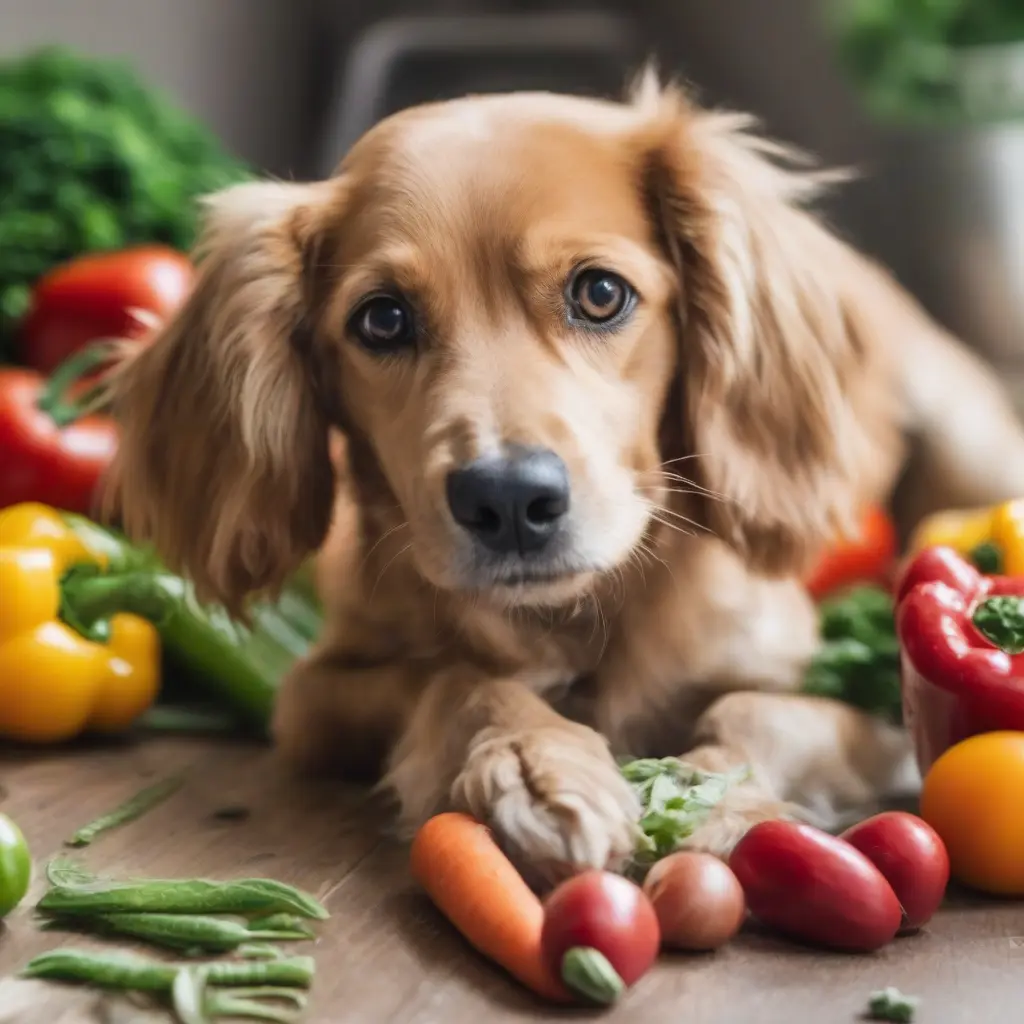
Incorporating fresh vegetables into your dog’s diet can enhance their nutritional intake, promote better health, and even improve their coat condition. Many pet owners overlook the benefits of vegetables, focusing primarily on proteins and commercial dog foods. However, introducing the right vegetables can provide essential vitamins, minerals, and fiber that are beneficial for your dog’s digestion and overall well-being. This article will guide you through various methods, safe vegetables, and considerations to help make this transition smooth and effective for your furry friend.
Benefits of Fresh Vegetables for Dogs
Fresh vegetables offer numerous health benefits for dogs, including improved digestion and a healthier weight. They are rich in vitamins such as A, C, and K, which can strengthen your dog’s immune system and promote overall well-being. Moreover, the fiber content found in vegetables helps regulate bowel movements, preventing constipation and maintaining digestive health. Adding these nutrient-dense foods to your dog’s diet can also prevent obesity by replacing higher-calorie treats with low-calorie vegetable options, ultimately fostering a healthier lifestyle.
Choosing the Right Vegetables
When selecting vegetables for your dog, it is essential to choose those that are safe and nutritious. Common dog-friendly options include carrots, green beans, sweet potatoes, and peas. These vegetables are not only palatable but also packed with vitamins and minerals. It’s advisable to avoid toxic vegetables like onions, garlic, and mushrooms, which can be harmful to dogs. Always research and ensure each vegetable is safe for canine consumption before introducing it to your pet’s diet.
Preparing Vegetables for Your Dog
Proper preparation of vegetables is crucial for maintaining their nutritional value and making them palatable for your dog. Begin by washing the vegetables thoroughly to remove any dirt or pesticides. Cut them into small, bite-sized pieces to make them easier for your dog to chew and digest. Steaming or lightly cooking some vegetables can enhance their digestibility and taste, but avoid boiling them for extended periods, as this may leach out valuable nutrients. The goal is to make the vegetables enjoyable while maximizing their health benefits.
Introducing Vegetables Gradually
Transitioning your dog to a diet that includes fresh vegetables should be done gradually. Start by adding small amounts of vegetables to their existing food, allowing them to adjust and get used to the new flavors. Monitor your dog’s reaction, as some may take time to accept new textures and tastes. Gradual introduction helps prevent digestive upset, and it allows you to evaluate which vegetables your dog enjoys and tolerates best. A slow approach can lead to increased acceptance and enjoyment of their new diet.
Mixing Vegetables with Regular Dog Food
Mixing vegetables into your dog’s regular food can make mealtime more exciting and nutritious. By incorporating finely chopped or mashed vegetables into kibble or wet dog food, you can enhance both the flavor and nutritional profile of their meals. This method allows you to control portion sizes and ensure that your dog receives the right balance of nutrients. Just be cautious not to exceed the recommended caloric intake, as too many additions can lead to obesity. Aim for a balanced mix to keep their diet healthy.
Homemade Dog Treats with Vegetables
Creating homemade dog treats using fresh vegetables can be a fun and rewarding way to incorporate them into your dog’s diet. You can blend ingredients such as mashed sweet potatoes or pureed carrots with whole grains like oats or brown rice to make simple, healthy treats. Baking these mixtures into bite-sized portions not only ensures the treats are nutritious but also allows you to control the ingredients, avoiding preservatives commonly found in store-bought options. Your dog will appreciate the homemade touch!
Monitoring Your Dog’s Health
After introducing fresh vegetables into your dog’s diet, it’s crucial to monitor their health and behavior. Keep an eye on their digestion, energy levels, and overall demeanor. Make notes of any changes, positive or negative, to help you tailor their vegetable intake effectively. Be aware that some dogs may have allergies or sensitivities to certain vegetables, resulting in gastrointestinal distress. If any adverse symptoms appear, consult your veterinarian to determine the best next steps and ensure that your dog remains healthy and happy.
Consulting Your Veterinarian
Before making significant changes to your dog’s diet, it’s advisable to consult your veterinarian. They can provide tailored advice based on your dog’s age, weight, activity level, and specific health needs. Your vet can help determine which vegetables would be most beneficial and how to implement them safely. This professional guidance is vital to avoid potential risks associated with dietary changes, ensuring that your beloved pet receives balanced nutrition without unnecessary complications.
Conclusion
Incorporating fresh vegetables into your dog’s diet can result in significant health benefits, enhancing their well-being and happiness. By understanding how to choose, prepare, and introduce these foods, you can create a more balanced and nutritious diet for your furry companion. Always remember to monitor your dog’s health and consult with your veterinarian to ensure their dietary transitions are safe and beneficial. With patience and creativity, you can enrich your dog’s meals while fostering a healthier lifestyle.