
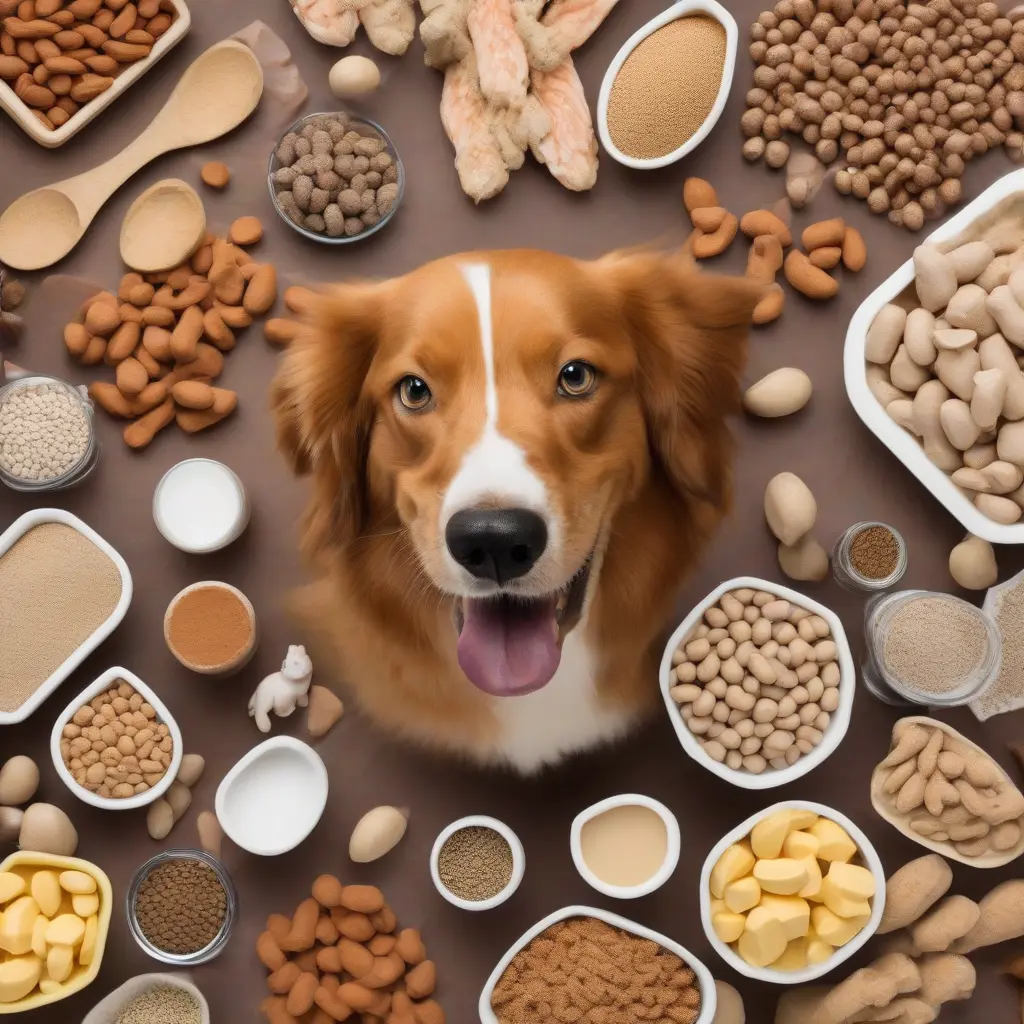
High-quality protein plays a crucial role in your pet’s overall health and well-being. It supports essential bodily functions, including muscle development, tissue repair, and immune response. Selecting the right protein sources can greatly influence your pet’s health, energy levels, and longevity. Pets require a balanced diet that includes adequate protein to thrive. Understanding the significance of quality over quantity in protein sources can enable pet owners to make informed dietary choices that lead to optimal health.
Understanding Protein Quality
Protein quality is determined by its amino acid profile and digestibility. Complete proteins contain all essential amino acids necessary for your pet’s physiological functions. Animal-based proteins, such as chicken, beef, or fish, are typically more complete compared to plant-based sources. Additionally, the digestibility of the protein impacts how effectively your pet can absorb and utilize these nutrients. Higher quality proteins lead to better nutrient absorption and overall health outcomes.
Benefits of High-Quality Protein
High-quality protein offers numerous benefits for pets, including muscle maintenance, growth, and repair, which are essential for active animals or those recovering from illness. Proteins also play a key role in immune function, supporting the body in fighting infections. Furthermore, adequate protein intake is vital for maintaining healthy skin and coat, creating a barrier against environmental stressors. Ultimately, the inclusion of high-quality protein sources can enhance your pet’s vitality and longevity.
Different Sources of Proteins
Protein sources can be categorized into animal and plant-based options. Animal proteins, like chicken, turkey, beef, fish, and eggs, provide high-quality protein, as they contain all essential amino acids. On the other hand, plant-based proteins, including beans, lentils, and peas, can be beneficial but often need to be combined to ensure a complete amino acid profile. It’s essential to consider your pet’s specific dietary needs and preferences when selecting protein sources to achieve a balanced diet.
How Much Protein Does Your Pet Need?
The protein requirement varies based on your pet’s age, activity level, size, and overall health. Generally, adult dogs require around 18-25% protein in their diet, while cats need at least 26%. Active pets or those undergoing recovery may need higher protein levels to support their increased physiological demands. Consulting a veterinarian is recommended to determine the appropriate protein intake for your pet to ensure it meets their specific health needs.
Signs of Protein Deficiency in Pets
Protein deficiency in pets can manifest through various signs, including lethargy, poor coat condition, and muscle wasting. You might also notice weakened immune responses, making your pet more susceptible to infections. Other symptoms could include stunted growth in young animals and decreased weight in adults. If you observe any of these signs, it’s vital to consult a veterinarian to assess your pet’s dietary intake and address any nutritional gaps promptly.
Combining Protein with Other Nutrients
While protein is essential, it should be balanced with other dietary components, such as carbohydrates and fats. Carbohydrates provide energy for your pet’s daily activities, while fats support cellular function and skin health. Additionally, vitamins and minerals play crucial roles in metabolic processes and overall well-being. A well-rounded diet ensures that your pet receives the necessary nutrients for optimal health and function, creating a synergistic effect that enhances their quality of life.
Understanding Protein in Commercial Pet Foods
Many commercial pet foods provide convenient sources of protein, but not all are created equal. It’s essential to read labels carefully to evaluate the quality of meat sources used. Look for products that list high-quality meat as the first ingredient and avoid those with ambiguous terms like ‘meat by-products.’ Understanding guaranteed analysis and ingredients can help you choose a product that delivers optimal nutritional benefits for your pet.
Home-Cooked Meals for Your Pet
Preparing home-cooked meals for your pet can ensure they receive high-quality protein sources tailored to their needs. It’s crucial to include a variety of meats and vegetables in proper proportions to maintain a balanced diet. Additionally, consider consulting a veterinary nutritionist for recipes that meet your pet’s specific nutritional requirements. While home-cooking can be beneficial, it’s essential to ensure that your meals are complete and balanced to avoid nutritional deficiencies.
The Role of Protein in Aging Pets
As pets age, their protein needs may change significantly. Older pets often benefit from higher protein intake to combat muscle loss associated with aging. Aging pets may also experience changes in digestion, making it even more critical to select highly digestible protein sources. Consulting with a veterinarian can help craft an age-appropriate diet that supports both their muscular health and overall well-being.
Conclusion
Incorporating high-quality protein into your pet’s diet is vital for ensuring their optimal health and longevity. By understanding the role of protein and selecting appropriate sources, pet owners can contribute significantly to their furry companions’ overall well-being. Prioritizing protein quality, alongside a balanced nutrient profile, will promote a healthier, happier pet.