
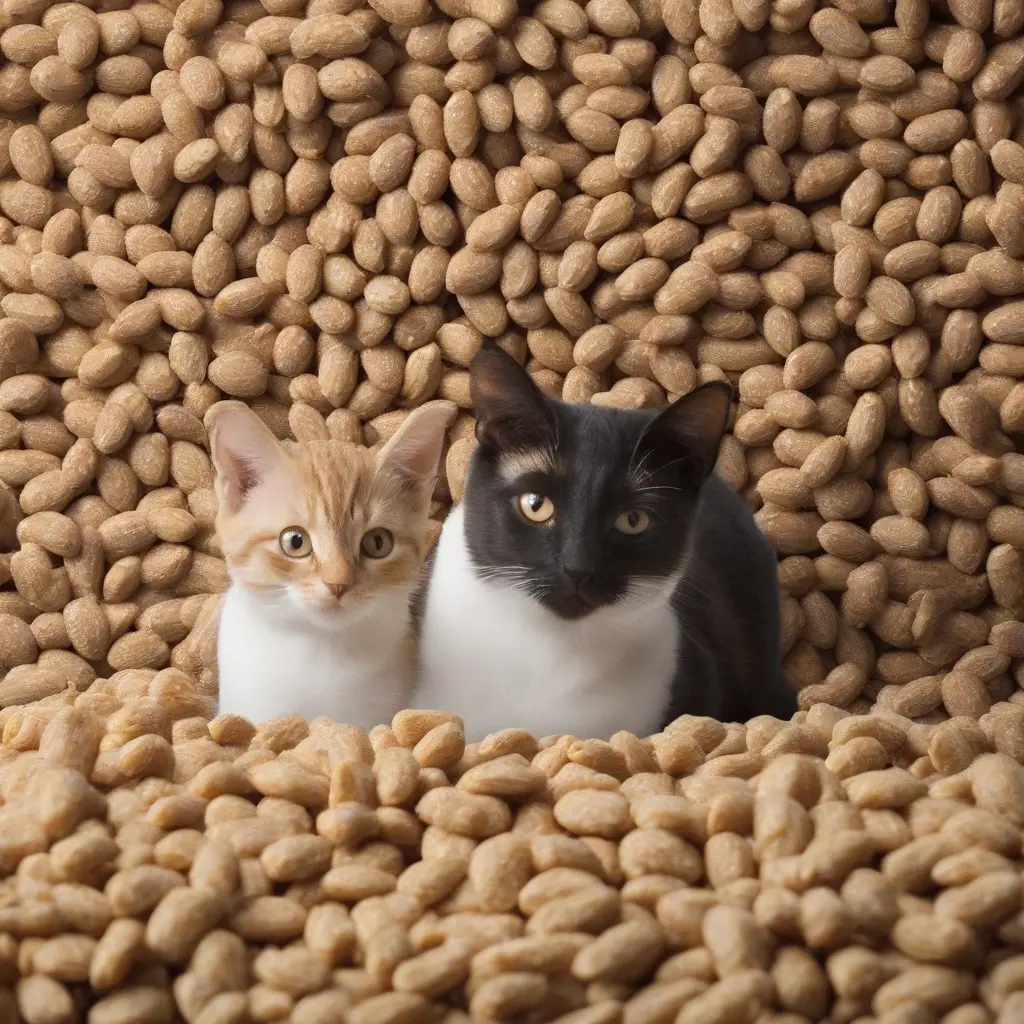
As pet owners increasingly seek the best nutrition for their cats, grain-free cat food has emerged as a popular choice. These diets are often perceived as healthier alternatives to traditional cat food that contains grains. However, it’s essential to weigh both the advantages and disadvantages of grain-free options. This article will delve into the key aspects of grain-free cat food, including its potential benefits, drawbacks, and considerations to make informed dietary choices for your cat.
What is Grain-Free Cat Food?
Grain-free cat food is exactly what it sounds like: food formulated without grains such as wheat, corn, or rice. Instead, these diets often rely on high-quality protein sources like chicken, fish, or beef, along with legumes, vegetables, and fruits to provide necessary nutrients. The premise behind grain-free formulations is that cats, being obligate carnivores, may thrive on diets that mimic their natural prey, which is mainly composed of proteins and fats rather than carbohydrates from grains.
Benefits of Grain-Free Cat Food
One of the primary benefits of grain-free cat food is improved digestion. Some cats are sensitive or allergic to grains, leading to gastrointestinal distress, including diarrhea and vomiting. A grain-free diet can alleviate these symptoms by eliminating potential allergens. Additionally, many grain-free options contain higher protein content, which can support muscle maintenance and energy levels, making it a favored choice for active cats or those requiring more caloric intake.
Potential Drawbacks of Grain-Free Cat Food
Despite its advantages, grain-free cat food also has potential drawbacks. One concern is that many grain-free products use alternative carbohydrate sources, such as peas or potatoes, which can lead to high levels of carbohydrates in the diet. This could potentially contribute to obesity or other health issues in cats that do not require high carbohydrate intake. Moreover, some brands may not provide well-balanced nutrition, making it vital to research and choose reputable manufacturers.
Are Cats Allergic to Grains?
While some cats may exhibit allergic reactions to grains, true food allergies in felines are relatively uncommon. Most food allergies stem from proteins rather than grains. However, certain cats may experience sensitivities or intolerances to specific grains like wheat, leading pet owners to consider grain-free diets as a solution. It’s crucial to consult a veterinarian for proper diagnosis and recommendations, as switching diets without guidance can sometimes exacerbate existing health issues.
Grain-Free vs. Traditional Cat Food
When comparing grain-free to traditional cat food, the differences primarily lie in the ingredient composition and the dietary focus. Traditional cat food typically includes a mix of meat, grains, and by-products, while grain-free options emphasize high protein and low carbohydrate content. Pet owners should assess their cat’s individual needs, considering factors like age, health conditions, and activity levels when deciding between these diets. Consulting with a veterinarian can provide clarity on what diet aligns best with your cat’s lifestyle.
How to Choose the Right Grain-Free Cat Food
Choosing the right grain-free cat food involves careful consideration of the ingredient list and brand reputation. Look for food that lists high-quality animal proteins as the primary ingredient, as this ensures your cat receives adequate nutrition. Avoid products with excessive fillers or artificial additives. It’s also beneficial to opt for brands that conduct feeding trials or have nutritional adequacy statements, which can indicate that the food meets the necessary standards for feline health.
Common Ingredients in Grain-Free Cat Food
Grain-free cat food typically features a variety of high-quality ingredients. Common protein sources include chicken, turkey, fish, and beef, which provide essential amino acids. Instead of grains, you may find ingredients like peas, lentils, potatoes, or sweet potatoes serving as carbohydrates. These ingredients not only supply energy but are also rich in vitamins and minerals beneficial for a cat’s health. Always check for a complete nutritional profile to ensure a balanced diet for your feline friend.
Nutritional Considerations for Cats
It’s essential to understand the nutritional requirements of cats when contemplating a grain-free diet. Cats are obligate carnivores, meaning their bodies are designed to derive nutrients primarily from animal-based sources. A well-balanced cat food should provide a comprehensive nutrient profile, including proteins, fats, vitamins, and minerals. When evaluating grain-free options, ensure they offer essential nutrients like taurine, omega fatty acids, and vitamins A and E, all crucial for your cat’s overall health and wellbeing.
Transitioning to Grain-Free Cat Food
Transitioning your cat to a grain-free diet should be a gradual process to minimize digestive upset. Start by mixing a small amount of the new food with the current food, gradually increasing the new food’s proportion over 7 to 10 days. Monitor your cat for any adverse reactions, such as vomiting or diarrhea. If any issues arise, it may require reverting to the old food momentarily before retrying the transition. Patience is key, and positive reinforcement with treats and praise may help your cat adjust.
Monitoring Your Cat’s Health
Once you have transitioned to grain-free cat food, it’s important to monitor your cat’s health closely. Look for signs of digestive upset, changes in weight, or alterations in energy levels. Regular vet check-ups can help ensure that your cat adapts well to the new diet. Keep an eye on your cat’s coat condition, litter box habits, and overall behavior, as these can indicate how well the diet is meeting their nutritional needs. It’s always best to address any concerns with a veterinarian.
Conclusion
In conclusion, grain-free cat food can be a beneficial option for certain felines, particularly those with sensitivities to grains. However, it’s crucial to evaluate your cat’s individual needs, consult a veterinarian, and ensure selected food offers a balanced diet. By understanding both the pros and cons, you can make informed choices that contribute to your cat’s overall health and happiness.